Introduction

In today’s competitive online landscape, digital marketing is essential for businesses seeking to grow their brand and engage customers. One powerful yet often underestimated tool in this strategy is blogging. A well-maintained blog can significantly boost your digital presence, improve SEO, establish authority, and drive traffic. Here’s how blogging supports your digital marketing strategy.
Enhances Search Engine Optimization (SEO)
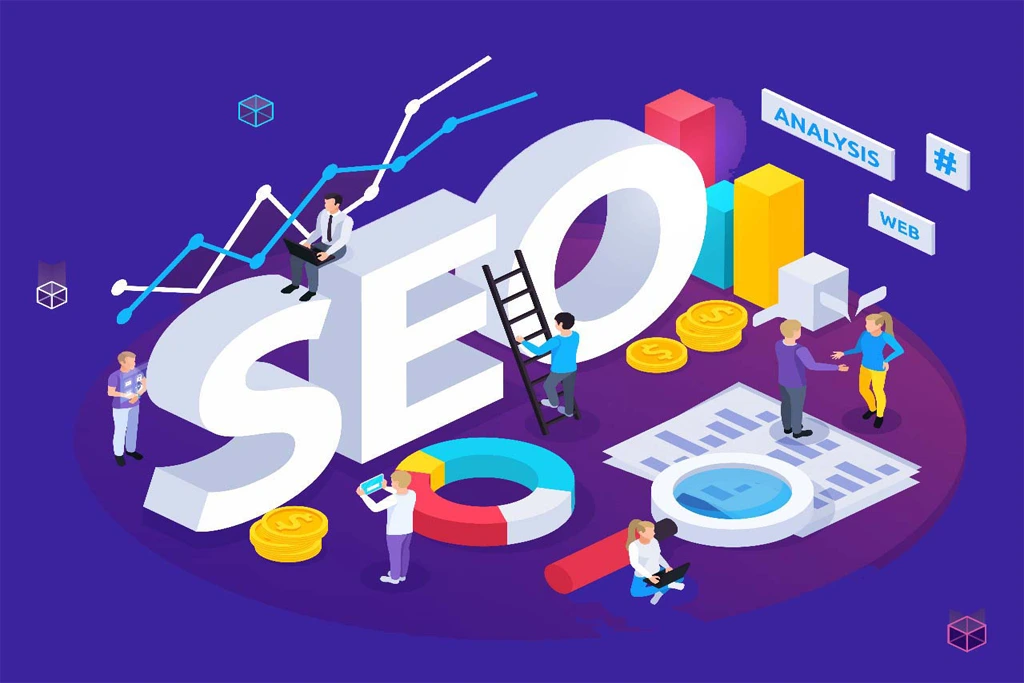
Blogging plays a critical role in improving your website’s SEO. Each new blog post is a fresh page indexed by search engines, increasing the chances of your website appearing in search results. By strategically incorporating relevant keywords, internal links, and optimized images, your blog can help your site rank higher on search engine results pages (SERPs). This leads to increased visibility and organic traffic without the high cost of paid advertising.
Drives Targeted Website Traffic

When people search online for answers, a blog that provides valuable, relevant content can attract visitors directly to your site. Well-written blog posts addressing common questions, industry trends, or how-to guides act as magnets for users looking for specific information. The more blog content you publish, the more entry points you create for users to find and visit your site, ultimately increasing your chances of converting visitors into customers.
Builds Brand Authority and Trust

Regularly publishing insightful blog content allows you to demonstrate your expertise in your niche or industry. By educating your audience and offering solutions to their problems, your blog builds your brand’s credibility. Readers are more likely to trust businesses that freely share valuable knowledge, which in turn makes them more likely to engage with your products or services.
Supports Social Media and Content Marketing

A blog is a rich source of content that can be shared across your social media platforms. Sharing blog content helps maintain an active social media presence, encourages interaction with your audience, and drives traffic back to your website, reinforcing your overall content marketing strategy.
Encourages Audience Engagement

Blogs are a great way to engage with your audience in a more personal and interactive manner. Allowing comments on your posts or sharing them on platforms where users can respond fosters conversations and feedback. This interaction helps you understand your audience’s needs, preferences, and concerns—valuable insights you can use to refine your digital marketing efforts.
Increases Lead Generation

By including compelling calls-to-action (CTAs), such as newsletter sign-ups, free downloads, or product demos, you can guide readers toward the next step in your sales funnel. Educational blog content builds interest and trust, making readers more likely to provide their contact information or inquire about your services.
Provides Long-Term Results
One of the unique advantages of blogging is that it provides long-term value. Unlike a paid ad campaign that ends when the budget runs out, blog posts can continue to generate traffic, leads, and engagement for months or even years. Evergreen content—topics that remain relevant over time—can become a consistent source of inbound traffic and a core asset in your digital strategy.
Humanizes Your Brand
Blogs offer a more informal way to communicate with your audience. You can share behind-the-scenes insights, employee stories, case studies, or company values that help humanize your brand. This kind of content fosters emotional connections, which are critical for building brand loyalty and long-term customer relationships.
Supports Other Marketing Channels
Your blog can be a foundation for many other marketing initiatives. Webinars, eBooks, and whitepapers often stem from topics first introduced in blog posts. This integration makes your digital marketing efforts more cohesive and efficient, ensuring that your message is consistent across platforms.
Cost-Effective Marketing Tool
Compared to other forms of digital marketing, blogging is relatively low-cost. With minimal investment, you can produce content that continues to yield results over time. Especially for small businesses or startups with limited marketing budgets, blogging offers a high return on investment and scalability as your business grows.
Conclusion
In conclusion, blogging is a cornerstone of a successful digital marketing strategy. It not only enhances your online visibility and authority but also drives engagement, supports other marketing channels, and provides long-term benefits. Next more…