Introduction
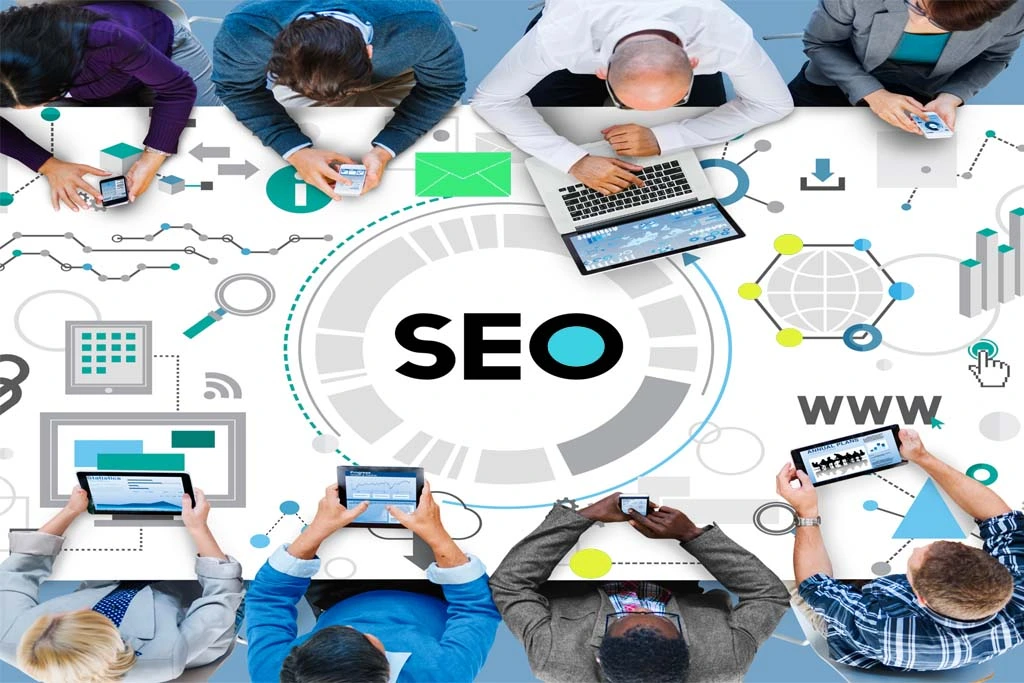
Artificial Intelligence is rapidly reshaping the digital landscape, and search engines are no exception From how results are ranked to how users interact with content Artificial Intelligence is revolutionizing the way SEO professionals approach their strategies.
Smarter Search Algorithms

Search engines like Google have integrated Artificial Intelligence driven algorithms such as Rank Brain and BERT to better understand user intent. These algorithms go beyond simple keyword matching. Instead, they analyze natural language, context, and even the sentiment behind a query to deliver more accurate and relevant results.This means SEO is no longer about stuffing pages with keywords. It’s about creating high-quality, contextually rich content that truly answers the users question. Optimizing for intent informational, navigational, transactional is now key to ranking well
Rise of Conversational Search

Thank to (AI) visual search is becoming more mainstream. Tools like Google Lens allow user to search using images instead of text. (AI) interprets the image and delivers relevant results, opening a new frontier for SEO. For businesses, this means optimizing images with relevant file names, alt tags, and structured data. AI-driven visual search emphasizes the importance of clear high-quality visuals and product images especially in retail, fashion, and home decor.
Visual and Multimodal Search

Artificial Intelligence also powers personalized search results based on a users location, search history, device, and behavior. No two users may see the exact same search result page for the same query.This shift means SEO can’t be one size fits all. It’s important to tailor content for different audiences, devices, and regions. Local SEO, for example, becomes even more crucial, as (AI) prioritizes content relevant to a users physical location.
Personalized Search Results with AI

AI enables highly personalized search experiences, taking into account a users location and search history, behavior patterns, and even device type. This means no two people necessarily see the same results for the same search.
The Future of SEO in an AI-Driven World

As (AI) becomes more deeply integrated into search engines SEO strategies will need to be more holistic. The focus is shifting from technical hack and keyword stuffing to quality content, contextual relevance, and user satisfaction