Introduction

Programming is completely crucial to problem-solving if one allows individuals to dissect difficult tasks into rational steps and produce effective, automated answers. Programming is really all about understanding a problem, analysing it, and then creating a systematic code solution.
Analytical Thinking
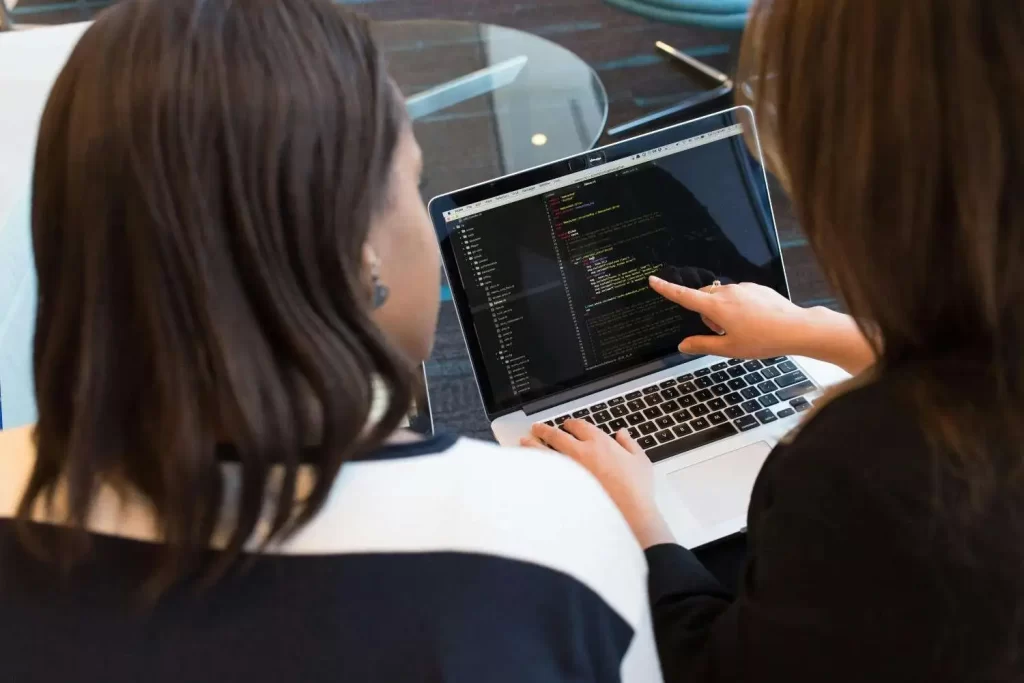
It promotes analytical thinking and systematic thinking because programmers need to think through a number of possibilities, optimize for speed and correctness, and judge the optimal means to complete a task. In program design to sort information or analyse user interaction to facilitate the efficient and scalable solution, the programmer is required, for instance, to select the appropriate algorithms and data structures.
Further facilitates
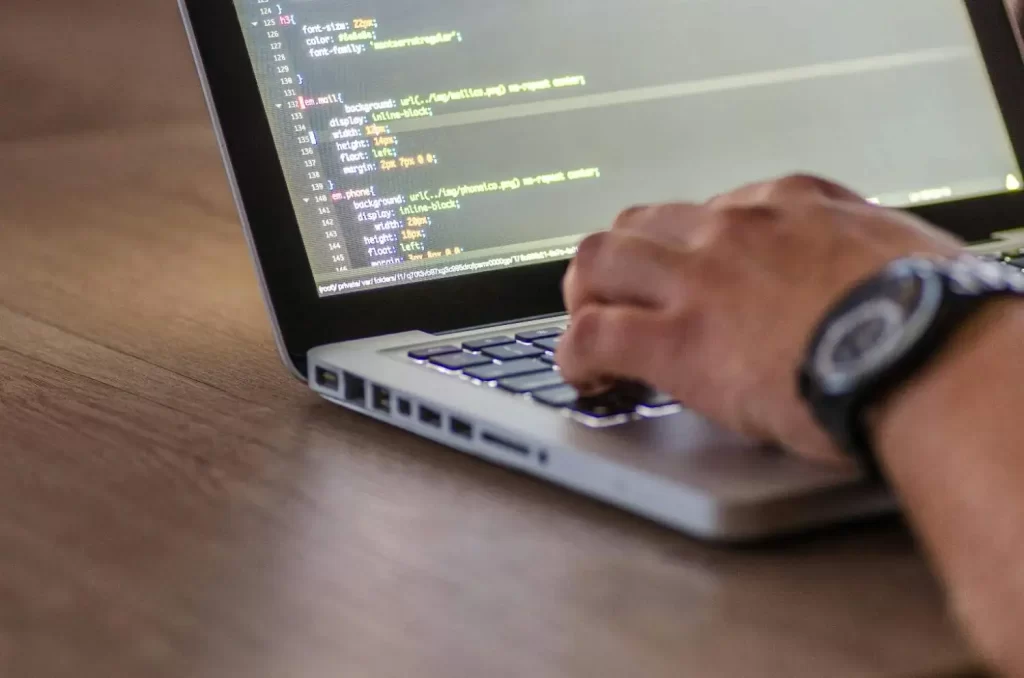
Programming further facilitates creativity through a number of ways to address a problem and enabling development through experimentation. In addition encouraged are debugging and testing practices, which are important in order to discover problems and to continuously improve solutions. Programming allows one to replicate and solve real-life problems from monitoring inventory in a stockroom to forecasting weather patterns.
Solve Problems

Programming decreased the human error by executing tasks automatically, thus saving time. Additionally, in group settings, programming trains communication and collaboration because programmers typically work together to design and develop software. Programming teaches individuals to solve problems in a logical way, segmenting them into manageable pieces rather than letting the entire weight stun us. In technical as well as in everyday problem-solving, such analytical skill is worth its weight.
Technical Skills

Programming allows individuals to blend logic, imagination, and technical skill to create clean, efficient, and reusable code solutions and thus to solve problems better. No matter what your project involves—simple data structuring, mobile applications, or business process improvement—programming provides you with the means to think critically and respond effectively.
FAQ's
What is problem solving in the context of programming?
How does programming improve problem-solving skills?
Can anyone improve their problem-solving abilities through programming?
Why is problem solving an essential part of programming?
Is programming the only way to build problem-solving skills?
Check Out Our Video


Computer Education brings a lot of opportunities for Unlimited Earning
Professional Courses – We Provide 6 Professional Courses of 6 Months Duration Each.
Advance Diploma Courses – join ADCA or ADFA Course to Boost up your Career.
Certificate Courses – To Take an initial step in the Computer World.