Introduction
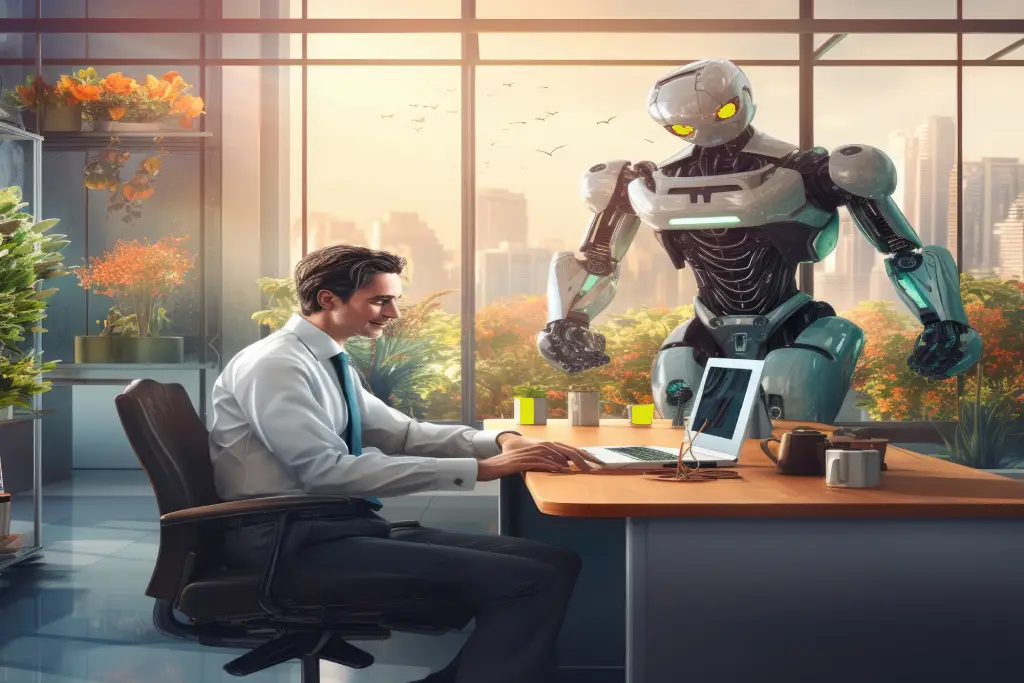
Artificial Intelligence is not a futuristic technology anymore, it has become an aspect of the contemporary workplace. AI is changing the way business is conducted and how employees carry out their tasks through virtual assistants and chatbots, predictive analytics, and robotic process automation to name a few. On the one hand, it opens up dramatic possibilities, but on the other hand, it also creates significant questions regarding the future of work, employment, and the skills required in the AI-driven economy.
Automation of Repetitive Tasks
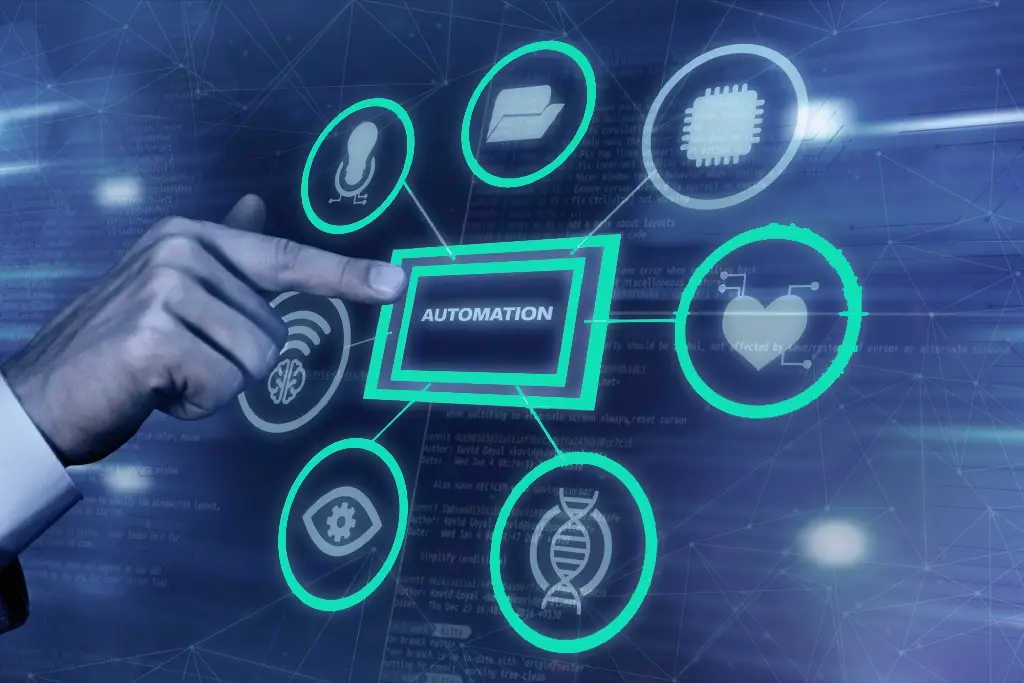
Among the most apparent effects of (AI) one should note the automation of time-consuming tasks. It is now possible to use AI-driven data entry, planning, and basic customer service questions. This not only lowers the errors of human beings but also emancipates employees to be more creative and strategic.
Creation of New Job Roles

On the one hand, AI is generating new fields of work rather than removing them as expected; however, on the other, it is feared that it will wipe out jobs. Such positions as Artificial Intelligence ethicists, machine learning engineers, data scientists, and AI trainers are popular. In addition, specific AI-based job profiles are being created in other sectors such as healthcare, finance, and logistics, and they present opportunities to talented employees.
The Shift in Required Skills

The emergence of Artificial Intelligence underlines the importance of employees acquiring new competencies. Old technical experience is no longer sufficient. Such soft skills as problem-solving, imagination, flexibility, and emotional intelligence are also becoming as valuable. To stay in the AI-powered workplace, lifelong learning and upskilling will be important.
Human–AI Collaboration
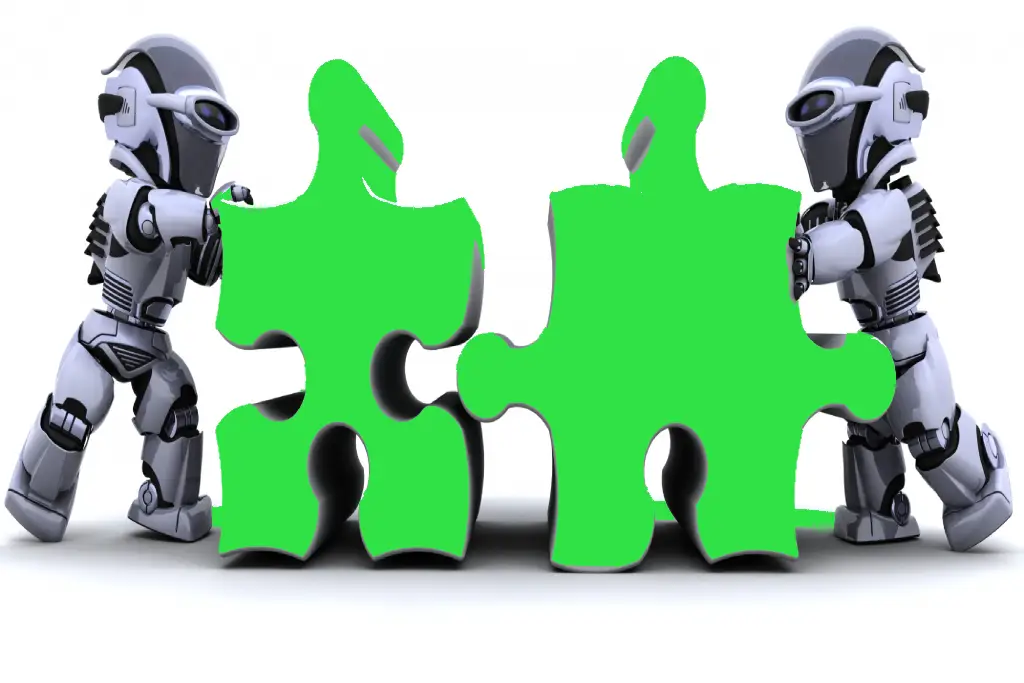
The emergence of Artificial Intelligence highlights the necessity of the worker to acquire new skills. There is no longer a need to have traditional technical expertise. Other soft skills like problem-solving, creative, adaptability and emotional intelligence are also becoming equally important. One of the important factors that will be essential to stay relevant in AI-driven workplace is lifelong learning and upskilling.
Personalized Employee Experience

AI is transforming the human resource management. Since the recruitment through retention of employees, Artificial Intelligence technologies can be used to analyze data and develop an individual career development plan, anticipate staff turnover, or prescribe training programs. This makes working environments more people focused and promotes career development.
Increased Productivity and Efficiency

The systems based on Artificial Intelligence are capable of handling extensive data much more effectively than human beings. To businesses, this translates to superior forecasting, streamlined supply-chains and more intelligent decision-making. It is also beneficial to the employees, as AI tools ease their workload and enable them to focus on more valuable tasks, which increases productivity in general.
Ethical and Social Considerations

The use of AI in the work environment brings significant ethical concerns. Such worries as job displacement, algorithmic discrimination, and privacy of data must be tackled. The responsible use of Artificial Intelligence and transparency should be applied in organizations to build trust among the employees and consumers.
Remote Work and Digital Transformation

Remote work has been more productive than ever with the help of AI technologies such as virtual collaboration platforms, smart assistants, and workflow automation. These tools facilitate communication, manage projects and even gauge productivity in distributed teams. With increase in remote and hybrid work models, Artificial Intelligence will continue to be one of the enabling factors of digital transformation.
The Future Workplace Culture
Due to the increased integration of (AI) into organizations, the workplace culture is changing. An innovative, life long learning and flexible culture will flourish. The future of work will be dominated by companies, which support employees to reskill, experiment, and collaborate with AI.
Conclusion
AI is not only transforming the nature of work; it is transforming the nature of work itself. Although a few jobs would vanish, there are new opportunities that are emerging that require new skills and mentalities. It is not the humanity or AIs but their successful collaboration that will determine the future of work. Individuals and organizations can be successful in the AI-powered future by adopting continuous education, ethical conduct, and human-AI cooperation.