As long as this continues to be the case, fresh, ground breaking visual storytelling needs to be the cornerstone of any effective digital communications plan. It’s one thing to be aesthetically arresting; it’s another to be intentionally interactive, another still to be narrative-driven from the start, and another still to be research-based to educate and, in many ways, start to dispel all of the complexities inherent in these topics. We can’t get anywhere near doing anything like moving the needle on change if all that text, and thus the big idea, gets buried in the noise of attention, and especially at a moment when even direct-to-consumer products get read in thousands of words of prose on a webpage with one ridiculous scroll. Immersive multimedia, whether that’s an interactive web journey, animated illustrated short-form report, photo essay, info graphic, video or motion graphic, are exponentially more effective at capturing and sustaining attention than just static text.
After all, we’re really visual animals, and as I’m sure you know, we want to experience by visuals! This isn’t surprising, since our brains have been hardwired to process visual information 60,000x faster than text. It pulls this double-dipper by tricking a pretty cool little weirdness in our noggins. Well-designed, moving, evocative visuals have a track record of accomplishing most of these all-at-once tasks, instantly communicating dozens of ideas, emotions or truths at once. It’s completely counterculture – it’s not just illegal; it breaks the algorithmic echo chamber, the distraction and white noise that we’ve all been trained to ignore in a social media world to create something far cooler, far more powerful, far more relevant, far more shareable and, yes, even better, more actionable messages. Info graphics, for example, can convey the subtle nuances of a research brief or the impact of that terrifying new statistic in a much more visually appealing and straightforward way than a whole, boring paragraph, allowing audiences to grasp important concepts in a visual format at a glance.
So it’s really no wonder that visual content is the most popular form of content YOU can produce. We discovered that the shorter posts, which prioritise attention-grabbing visuals, receive 94% higher engagements on social media. These particularly unique supercharges of official tour brand exposure then supercharge cranking your top-line message directly in front of a much larger, much more captive audience of new potential new fans. Stunning visuals do more than just stop the scroll, though; they’re leading your audience on a journey of visual engagement that eventually moves them to take action (i.e., clicking through to a donation link or buying an event ticket).
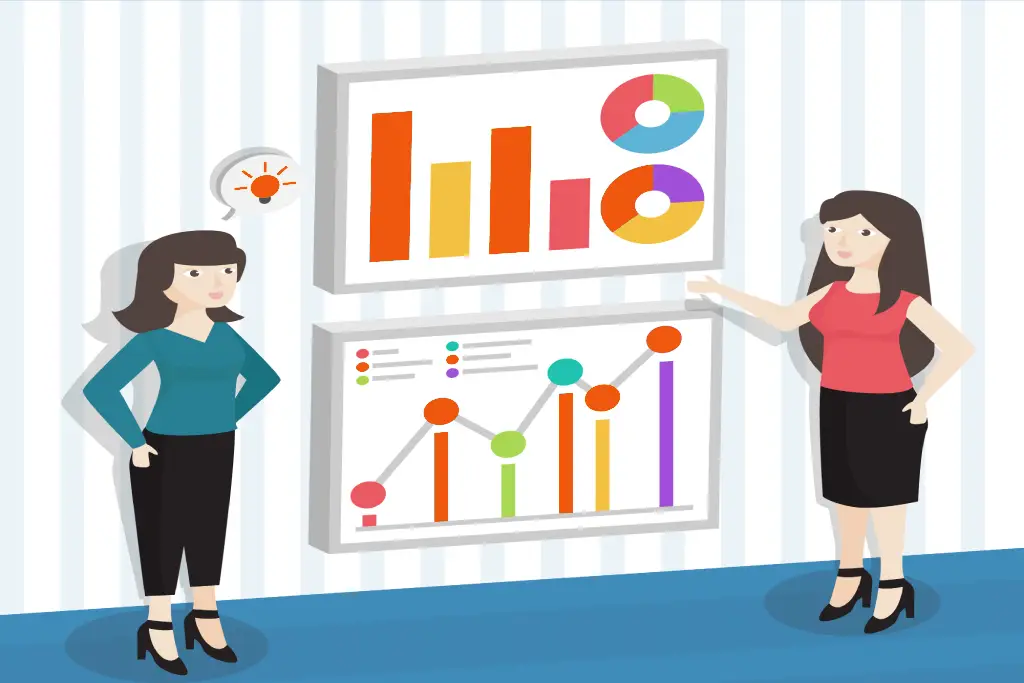
More so than to amaze with oohs and ahhs, info graphics set the stage, mood and direction. That’s one thing when you’re just trying to get someone to click through to your new craft project or your new Instagram post. Applying the identical colour palette, typography, design template and creative direction across all the mediums you operate in creates that brand recognition and trust right away every time someone finds you for the very first time. Successfully executing the opposite, warm, friendly, personal, curator-style visual communications counteracts that nasty reaction, often appearing more professional and authentic and charming your targets’ socks off, everything they’re wearing right home.
Creatively, aesthetically or otherwise, this is no longer an age where visual storytelling can be treated as an afterthought creative flourish. In our new digital globe, dominated by a temporal scarcity, there is more time to convey less important messaging and an even more vicious combat for shopper mindshare. That’s because it’s one of the most personal and inarguably most powerful storytelling mediums we have. Whether you’re looking to launch a new initiative, inform your residents, increase engagement or just battle your way through the daily grind, using impactful visuals grabs an audience’s attention, allows you to convey your messages quicker and, most importantly, allows you to recall them in the end. Visual storytelling is what makes integrated digital communications an experiential journey, rather than just explaining through text where to go and showing you how to get there.