How small businesses can leverage AI without huge budgets

Introduction
Despite budget constraints, small businesses can now tap into AI to boost efficiency, improve customer experience, and gain a competitive edge. Here’s how they can do it effectively without breaking the bank.
1. Automating Repetitive Tasks
One of the simplest and most cost-effective ways for small businesses to adopt AI is through automation of repetitive and time-consuming tasks. Email responses, data entry, appointment scheduling, and inventory tracking are all areas where AI-powered tools can take over. Tools like Zapier, IFTTT, or Microsoft Power Automate allow businesses to create simple AI-based workflows that save time and reduce human error. Even using a basic chatbot on a website to handle common customer inquiries can drastically cut down on support workload.
2. Enhancing Customer Support with Chatbots

AI-driven chatbots can now be deployed with minimal technical knowledge and at low cost. Platforms like Tidio, Chatfuel, or ManyChat allow small businesses to build and integrate chatbots into websites or social media channels to handle FAQs, schedule bookings, and guide customers. These bots operate 24/7, improving customer satisfaction without the need to hire round-the-clock staff. Importantly, they can be scaled and customized over time as the business grows.
3. Affordable AI Marketing Tools
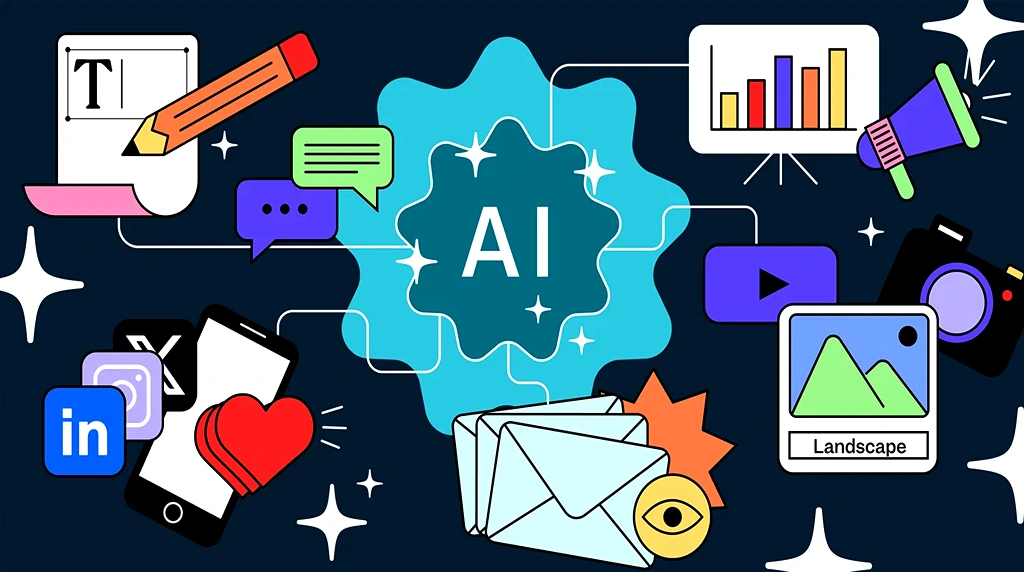
Marketing is another area where AI can make a massive impact for small businesses. Platforms like Mailchimp, HubSpot, or Sender offer built-in AI features that help tailor marketing campaigns based on customer behaviour and engagement. AI writing assistants like ChatGPT, Jasper, or Copy.ai can help create blogs, product descriptions, or social media posts quickly and efficiently, saving on copywriting costs.
4. Smarter Decision-Making with Data Insights

Data analytics has traditionally been expensive and complex, but AI has democratized access to insights. Tools like Google Analytics, Zoho Analytics, and Tableau Public use AI to analyse customer data, website performance, and sales trends. AI-driven dashboards can forecast demand, suggest pricing strategies, and even highlight underperforming products or services.
5. Streamlining Hiring and HR Tasks
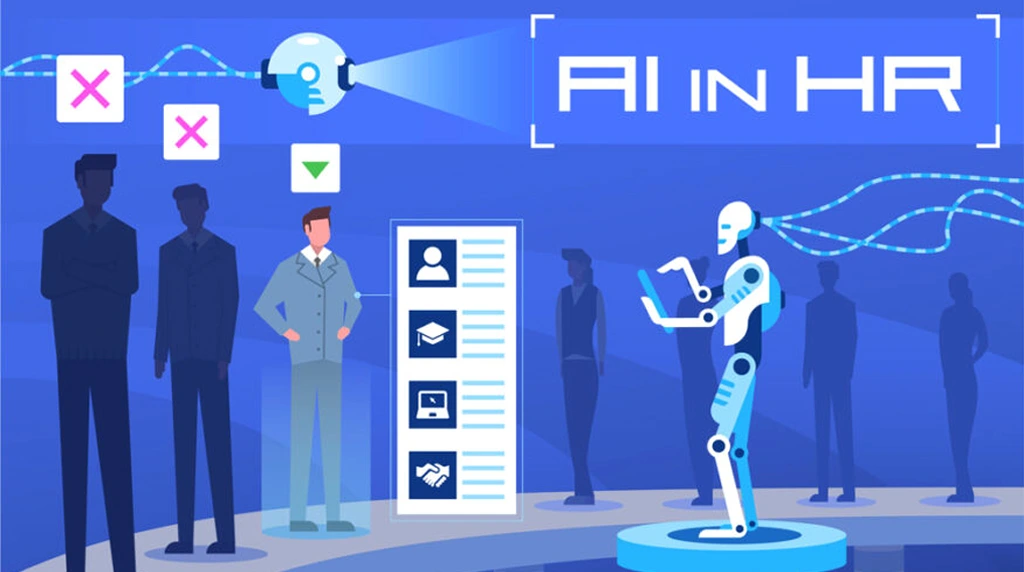
Recruitment and human resource management are other functions that benefit from AI. Platforms like Breezy HR, Workable, or HireVue use AI to scan resumes, rank candidates, and automate interview scheduling. Similarly, AI can help with on boarding new employees through digital training modules and HR chat bots that answer policy-related queries. These tools help small businesses manage HR more efficiently while staying compliant.
6. AI in E-commerce and Personalization

AI-driven product recommendation engines, like those available through Shopify apps or WooCommerce extensions, help suggest items to customers based on their browsing and purchase history. Personalized emails and special offers can be automated, increasing the likelihood of repeat purchases. Even visual search tools are now within reach for small e-commerce businesses.
7. Leveraging Free or Low-Cost AI Tools
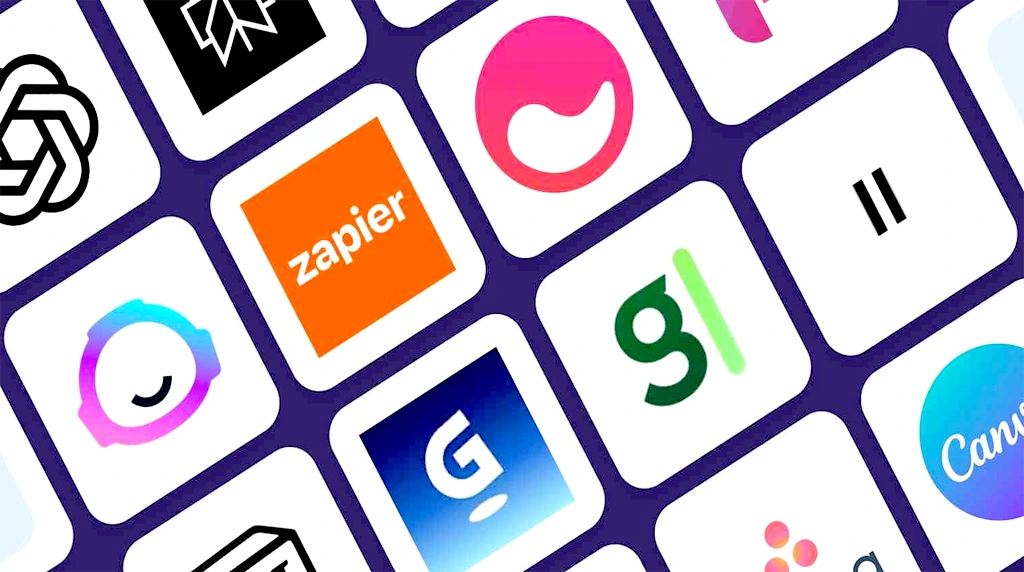
There is a growing ecosystem of free and low-cost AI tools that small businesses can take advantage of. Some notable examples include:
Canva (AI-powered design suggestions and image generation)
Otter.ai (automated meeting transcription and summarization)
Grammarly (AI writing and editing assistant)
Notion AI (content creation and knowledge management)
Google Bard or ChatGPT (for research, planning, and brainstorming)
These tools require little to no investment and can quickly enhance productivity across different functions of a small business.
8. Educating the Team and Embracing a Learning Culture

The success of AI integration doesn’t only depend on the tools used, but also on the team’s willingness to adopt and learn. Small businesses can encourage staff to explore AI tools through free online resources like Coursera, edX, or YouTube tutorials. A culture of experimentation and continuous learning will allow businesses to explore new AI use cases as they emerge, maximizing the value they get without hiring specialists.
Conclusion
AI is not just for big businesses anymore. Small businesses can now take advantage of AI without a huge budget, thanks to the proliferation of low-cost and no-code tools. From automating tasks and enhancing marketing to delivering personalized experiences and making smarter decisions, AI offers numerous opportunities for growth and efficiency. With a strategic approach and a mindset geared toward innovation, small businesses can compete smarter—not harder—in the AI-powered economy.
Q1: Do I need a massive budget or a team of AI experts to use AI in my small business?
Nope, not at all! The landscape of AI tools has changed dramatically. Many affordable and even free AI solutions are available that don’t require technical expertise to set up or use. Low-code/no-code platforms and AI-enhanced productivity apps are designed for easy integration and use by non-technical teams.
Q2: What kind of AI tools are budget-friendly for small businesses?
There’s a whole bunch! Think AI writing assistants (like ChatGPT for content creation or customer communication), AI-powered scheduling and bookkeeping tools (like Zeni or QuickBooks AI), AI chatbots for customer support, and social media automation tools (like Buffer or SocialBee). Many of these offer free tiers or low monthly subscriptions.
Q3: How can AI help my small business save money and increase efficiency?
AI excels at automating repetitive, time-consuming tasks such as data entry, invoice processing, customer inquiries, and generating marketing content. By taking over these tasks, AI frees up your team’s time to focus on more strategic, revenue-generating activities, ultimately reducing operational costs and increasing overall efficiency.
Q4: What should I consider when choosing an AI tool for my small business?
Focus on your biggest pain points and choose tools that directly address those. Look for ease of use, scalability (tools that can grow with your business), and how well they integrate with your existing systems (CRM, help desk, etc.). Always check pricing, comparing ongoing costs against the potential return on investment, and look for free trials to test them out.
Q5: Are there any risks for small businesses using AI, and how can they be avoided?
Some common risks include inaccurate outputs, biased responses, data leakage, and over-automation that might frustrate customers. To avoid these, maintain human oversight for high-stakes outputs, carefully review data-use terms, and track progress with clear Key Performance Indicators (KPIs). Starting with one high-impact workflow and running a pilot before scaling can also help