How to Use Social Media Analytics for Business Growth
Introduction
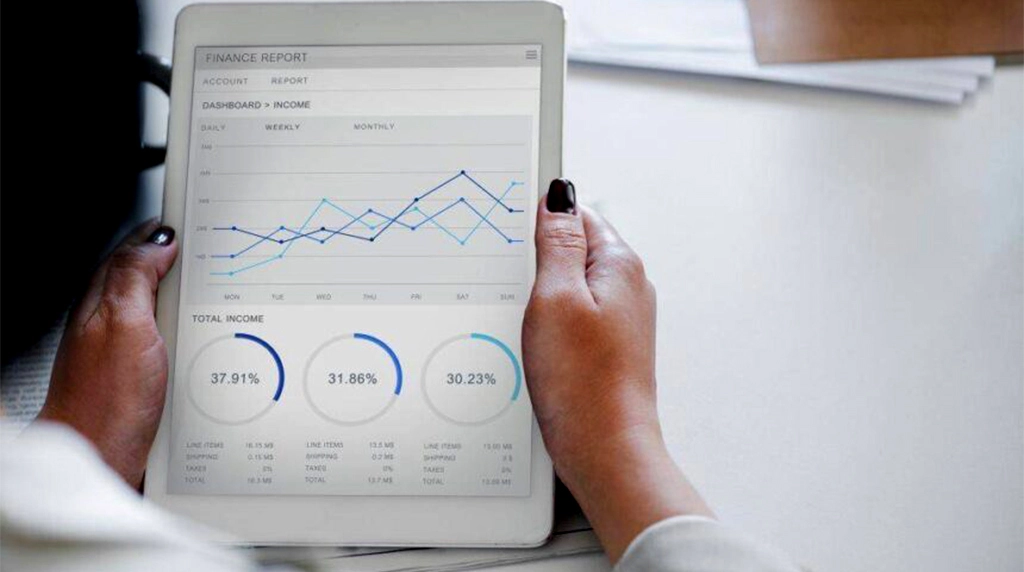
In the current digital-first market, social media is not only a casual communication tool anymore, but it is, in fact, a potent tool of business. The brands are not just riding on the services such as Facebook, Instagram, LinkedIn, and Nevertheless, it is not the case that one post blindly and succeeds, it is only through knowledge of data. That is where social media analytics comes in. Businesses can use insights in order to optimize their strategies by tracking, analyzing, and taking action.
Measure Brand Awareness and Reach
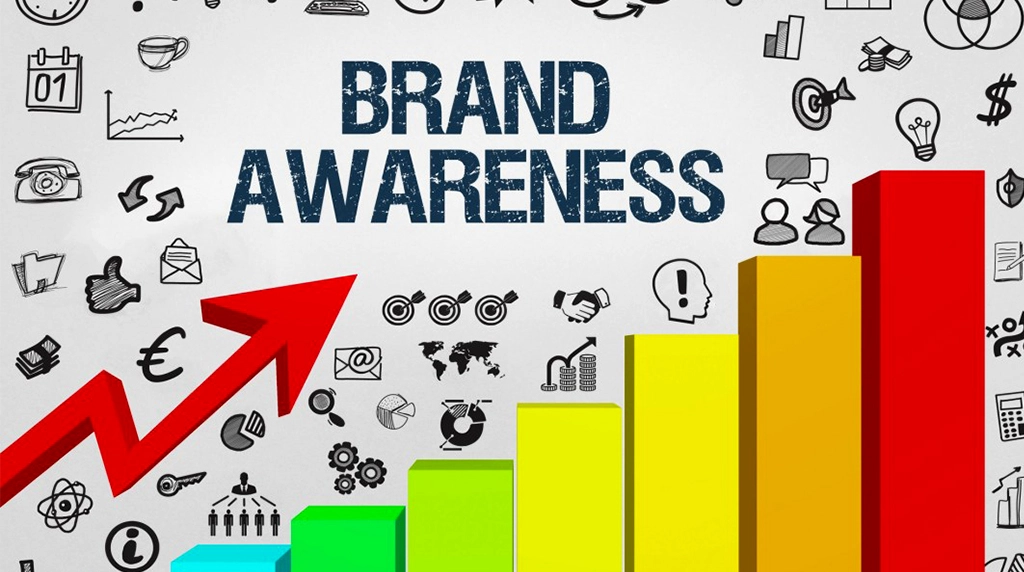
Social media analytics will enable you to know the extent to which your brand is visible. The number of impressions, reach, and follower growth metrics inform you of the number of people learning about your business. Tracking these figures will help you determine what kinds of campaigns or posts increase your visibility in the most effective way. As an illustration, just because your video posts have increased reaches compared to the static images, then you will be in a position to know where to put your content effort.
Understand Your Audience Better
Learning your audience is one of the largest benefits of analytics. Platforms can offer information about demographics including age, gender, location and interests. This information is useful in developing more specific campaigns. As an example, when your analytics indicate that the majority of your audience is young professionals in cities, you could create content and offers to suit their lifestyle.
Track Engagement to Improve Content Strategy
Measures of engagement such as likes, comments, shares and saves provide information on the level of resonance of your content. Monitoring what posts attract the greatest engagement, you will be able to adjust your content strategy. To have a high level of engagement means that your audience perceives your content to be valuable. The companies that follow this data can continuously provide the content that will foster more effective relations with adherents.
Evaluate Campaign Performance

It is pointless to launch campaigns without analyzing the outcomes as it is like shooting in the dark. Social media analytics will enable you to assess campaigns accurately. Such metrics as click-through rate (CTR), conversion rate, and bounce rate tell you when your campaigns are achieving their goals. Using this data you are able to know whether your investment is paying off or you need to re-strategize.
Optimize Paid Advertising
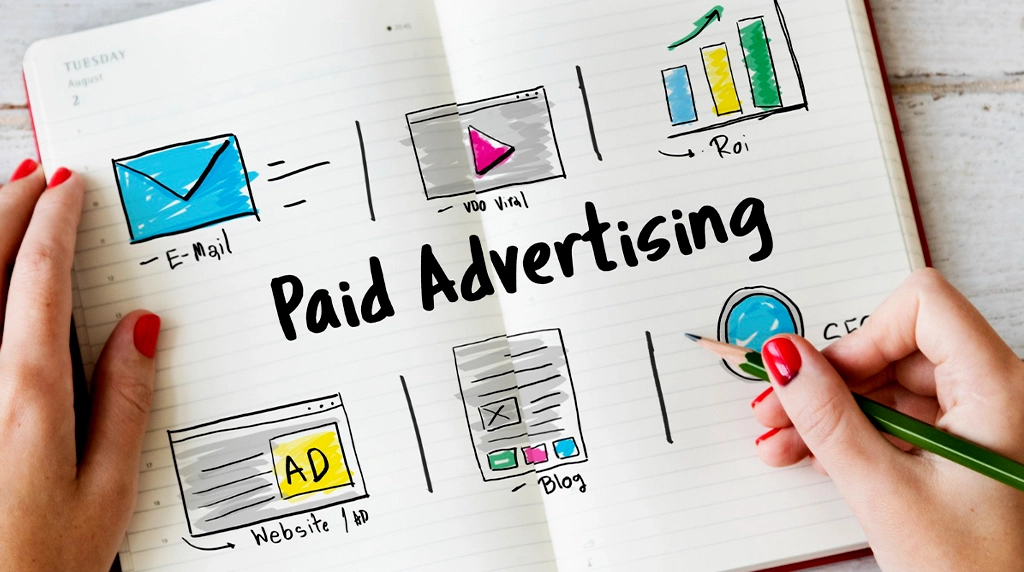
Companies can also invest in sponsored posts in platforms such as LinkedIn or Facebook. Analytics tools will give a comprehensive report on the performance of the ads including cost per click (CPC) and the return on ad spend (ROAS). Through these data, you will be able to know which advertisements make sense and redistribute funds. This will guarantee you create the highest advertising ROI rather than wasting resources.

Monitor Competitor Performance

It is not only about social media analytics of yourself, but also of the competitors. With the help of such tools as Sprout social or Hootsuite, it is possible to monitor the frequency of posting by competitors, level of engagement, and growth of the audience. This benchmarking enables you to know the gaps in your strategy, take advantage of the opportunities and be ahead in a competitive market.
Identify Trends and Customer Preferences
With social media analytics, you can identify the trends that are emerging. The businesses will be able to know what the customers are discussing by monitoring the keywords, hashtags, and discussions. As an example, when you notice that there is increased curiosity towards environmentally friendly products, you are able to change your services to suit the need. Keeping in pace with trends you allow your business to be relevant and progressive.
Improve Customer Service and Reputation Management

A modern customer usually contacts the brand via social media with complaints or questions. Analytics are capable of monitoring the response time and sentimental analysis (positive, negative, or neutral mention). When customers continuously point out the problem with the services, you can move fast to address the problems. Quick, fact-based reactions do not only enhance customer satisfaction but they also enhance the brand reputation.
Drive Long-Term Business Growth

Ultimately, the intelligence provided by analytics must be the input to your big business strategy. Through a continuous analysis of data and improvement, companies can develop customer engagement, boost sales, and loyalty. As an illustration, combining analytics and CRM systems will give you an overview of customer paths in a holistic way, enabling you to market individually, up-sell successfully, and drive long-term growth.
Conclusion
Social media analytics is not merely a dashboard with numbers, but it is the foundation of intelligent business in the new age of the digital environment. It is possible to turn data into tangible growth opportunities by assessing the awareness level, comprehending your audience, maximizing content, monitoring campaigns, and being ahead of your rivals. It is not merely a matter of gathering wisdom but putting these into practical use. Companies that implement this type of data-driven solutions will not only expand but will also flourish in the current rather harsh competitive environment.
FAQs - How to Use Social Media Analytics for Business Growth
1. What are social media analytics and why do they matter for
Social media analytics track data from your platforms to measure performance and audience behavior. They include metrics like reach, engagement rate, click-throughs, follower growth, and conversions. For business growth, they matter because guesswork wastes budget. Analytics reveal which content drives sales, what time your audience is active, and which platforms deliver ROI. Instead of posting blindly, you use data to double down on what works, cut what doesn’t, and align social efforts with revenue goals like leads, website traffic, and customer retention. Facebook and Instagram insights are key starting points.
2. Which social media metrics should I track to grow my business?
Focus on metrics tied to business outcomes, not vanity metrics. Track:
- Engagement rate: Likes, comments, shares per post show content relevance.
- Reach & impressions: How many people see you vs. how often.
- Click-through rate (CTR): Measures how compelling your call-to-action is.
- Conversion rate: From social visit to lead or sale, using UTM links or pixels.
- Audience growth rate & demographics: Ensures you’re attracting the right customers.
- Customer response time: Fast replies build trust and sales. Ignore follower count alone; 1,000 engaged buyers beat 100,000 silent followers.
3. How often should I check social media analytics and act on them?
Check weekly for tactical shifts and monthly for strategic review. Weekly: scan top and worst posts, engagement spikes, and comment sentiment to adjust next week’s content and ad spend. Monthly: compare against goals like leads or sales, analyze trends, and audit audience demographics. Quarterly: do a deep dive to update your strategy, benchmark competitors, and reallocate budget to best-performing channels. Don’t obsess daily — data needs time to stabilize. Use tools like Meta Business Suite to automate reports so you spend time acting on insights, not collecting them.
4. How can I use analytics to improve my content and boost sales?
Use analytics to create a feedback loop. Identify your top 10% of posts by engagement and conversions, then analyze patterns: format, topic, hook, time posted, and CTA. Produce more of what works. Test new ideas in small batches and let data decide winners. Track link clicks and use Facebook Pixel to see which content drives actual purchases. If tutorials drive clicks but memes get likes, shift budget toward tutorials. Also check when your audience is online and post then. Data removes bias — your favorite post might not be your customer’s favorite.
5. What tools can small businesses use to track social media analytics effectively?
Start free: Meta Business Suite and Instagram Insights cover Facebook/ Instagram metrics like reach, demographics, and best post times. Google Analytics connects social traffic to website sales. For all-in-one dashboards, try Buffer, Hootsuite, or Later — they track multiple platforms and schedule posts. If you run ads, Meta Ads Manager gives ROI, cost-per-lead, and conversion data. Pick 1–2 tools to avoid overwhelm.