Computer ethics and responsible use of technology

Introduction
In today’s digital world, computers and technology are deeply embedded in everyday life. From communication and education to business and entertainment, we rely on technology more than ever. However, this heavy dependence also brings important ethical questions and responsibilities. Together, they help ensure that technology benefits individuals and society rather than causing harm.
Understanding Computer Ethics

It is about doing what is morally correct when creating, sharing, or accessing digital content and systems.
Or is it acceptable to collect user data without consent to improve online services? With growing access to digital resources, it’s more important than ever to understand what’s right and wrong in the digital space.
Key Principles of Ethical Technology Use

There are several key principles that guide ethical behaviour in the use of technology. These principles can help users, developers, and organizations act responsibly and respectfully in the digital world:
Respect for Privacy: People have the right to control their personal information. Ethical computer use involves protecting this data and not sharing it without permission.
Honesty and Integrity: This includes avoiding plagiarism, reporting accurate data, and not using technology to mislead or deceive others.
Avoiding Harm: Whether it’s through cyberbullying, spreading malware, or hacking, using technology to harm others is unethical.
Respect for Intellectual Property: Software, music, videos, and written content are often protected by copyright. Using or distributing them without permission is both unethical and illegal.
Fair Access: Ethical computing also involves promoting equal access to technology and avoiding discrimination.
These principles provide a foundation for making responsible choices when interacting with digital tools and systems.
The Role of Cyber security and Data Protection

With so much personal and sensitive data stored online, protecting this information has become a major responsibility. Companies and governments must take strong measures to secure their systems, but individuals also play a role.
Using strong passwords, avoiding suspicious emails, and keeping software up to date are basic steps everyone can take to stay safe online. Ethical behaviour also means not attempting to access private information without permission, such as hacking into someone’s social media account or school records.
Moreover, ethical issues arise when organizations collect user data. It is the responsibility of companies to be transparent about how they collect, use, and store information. They must also ensure that this data is not misused or exposed in data breaches.
Digital Citizenship and Online Behaviour
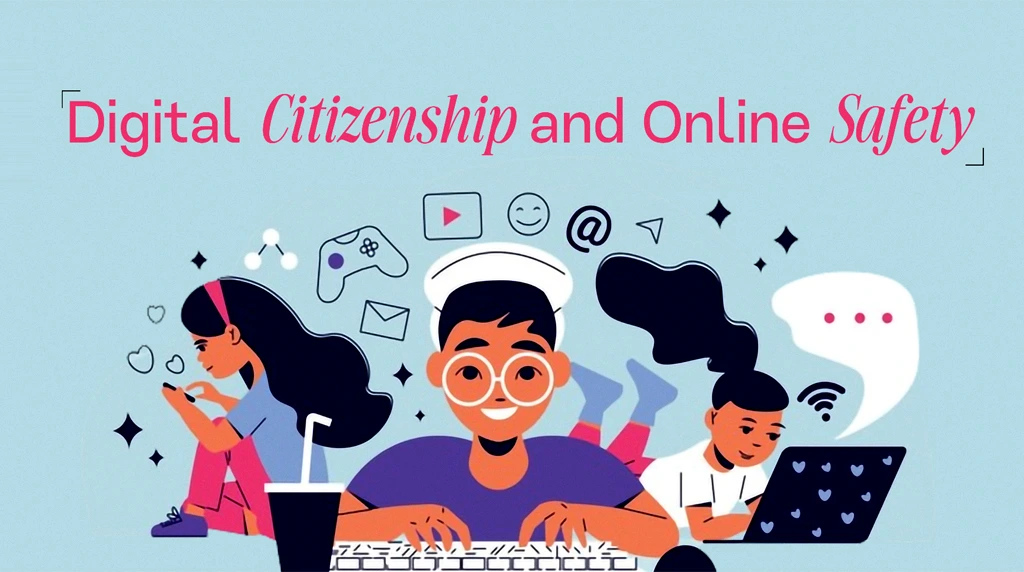
Responsible technology use also involves practicing good digital citizenship. This means behaving respectfully and thoughtfully in online spaces. Just as we follow rules and social norms in the real world, the same should apply online.
Cyberbullying, hate speech, and harassment are all forms of unethical online behaviour. It’s important to treat others with kindness and respect, even when behind a screen. Digital citizenship also includes avoiding spreading false information, giving proper credit for online content, and using social media responsibly.
Being a good digital citizen means thinking before posting, considering the impact of your actions, and contributing to a safe and positive online environment.
Technology and Social Responsibility

Developers, tech companies, and innovators carry a special ethical responsibility. The technology they create can have a huge impact on society, and they must consider both the benefits and the risks.
For example, artificial intelligence (AI) can improve efficiency and decision-making but also raise concerns about privacy, job loss, and bias. Similarly, social media platforms have connected billions of people but also contributed to the spread of misinformation and mental health issues.
Ethical technology development requires thoughtful design, transparency, and accountability. It’s not just about what technology can do—but what it should do.
Conclusion
Whether you’re a student, professional, developer, or casual user, ethical behaviour ensures that technology remains a tool for good. Respect for privacy, intellectual property, and others online is the foundation of responsible digital use.
By thinking critically, acting responsibly, and promoting fairness, we can help shape a digital world that is secure, inclusive, and respectful for all.
1. Is it unethical to use AI like ChatGPT for my homework or job applications?
It depends on how you use it, and if you’re honest about it.Using AI as a brainstorming partner, editor, or tutor is generally considered responsible — it’s like asking a friend to proofread. Copy-pasting an AI essay and claiming it’s 100% your work violates most school/employer academic integrity policies. It’s also risky: AI can “hallucinate” wrong facts, and you’re the one submitting it.
Can my employer monitor everything I do on my work laptop? Even after hours?
If it’s a company device or network, assume yes. Most employee handbooks state that company-owned hardware and accounts can be monitored. Legally, employers in India and most countries can log keystrokes, screenshots, and browsing — even if you’re working from home at 11pm. Using your work laptop for personal banking, private chats, or job hunting is technically not illegal, but it’s not private.
Is it wrong to share my Netflix/Spotify password with friends? Everyone does it.
It’s a terms-of-service violation, not a crime — but it is an ethics issue.Streaming companies write in their TOS that accounts are for one household. Sharing passwords = breaking a contract you agreed to. The impact: creators get paid less, and prices go up for everyone when companies lose revenue.
I found someone’s private photos on a public Google Drive link. Can I look? Can I share it?
You can, but ethically you shouldn’t. Just because data is accessible doesn’t mean it was meant for you. Viewing, downloading, or forwarding private content you stumbled upon violates the person’s privacy and, in India, could violate IT Act Section 66E.
Do I really need to read those 10-page privacy policies before clicking “I Agree”?
You don’t need to read every word, but you do need to know what you’re trading. Most apps collect location, contacts, or browsing data to “improve services” = show ads. The ethical issue isn’t the company asking — it’s you consenting without understanding.