Prompt engineering tips for building better AI interactions

Introduction
Prompt engineering is the art of crafting effective inputs (or “prompts”) to get accurate, useful, or creative responses from AI systems like ChatGPT. As AI becomes more integrated into business, education, and personal tools, knowing how to talk to these systems efficiently is a skill worth mastering. Whether you’re automating customer support, generating content, or building chatbots, the quality of your prompt directly affects the quality of the AI’s output. Here are essential tips to help you build better AI interactions.
1. Be Clear and Specific

One of the most important rules in prompt engineering is clarity. The more specific and detailed your prompt is, the better the AI can understand what you’re asking. Avoid vague or overly general instructions.
2. Set the Role or Tone

Telling the AI who it should “act as” can significantly improve results. You can start with instructions like: “You are a helpful customer service agent” or “Act as an expert financial advisor.” This helps the AI adjust its language, tone, and approach to match your needs.
3. Break Down Complex Tasks
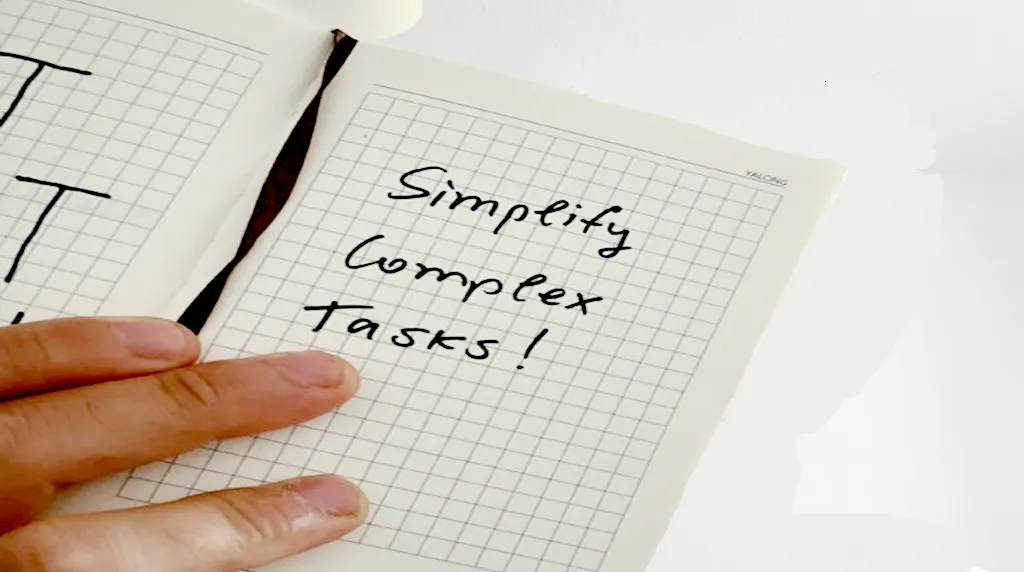
If your task is complicated, break it into smaller parts. AI performs better when given manageable instructions. For instance, rather than asking “Summarize and critique this article,” split it into two prompts: “Summarize this article” and then “Provide a critique of this summary.”
4. Use Examples for Guidance
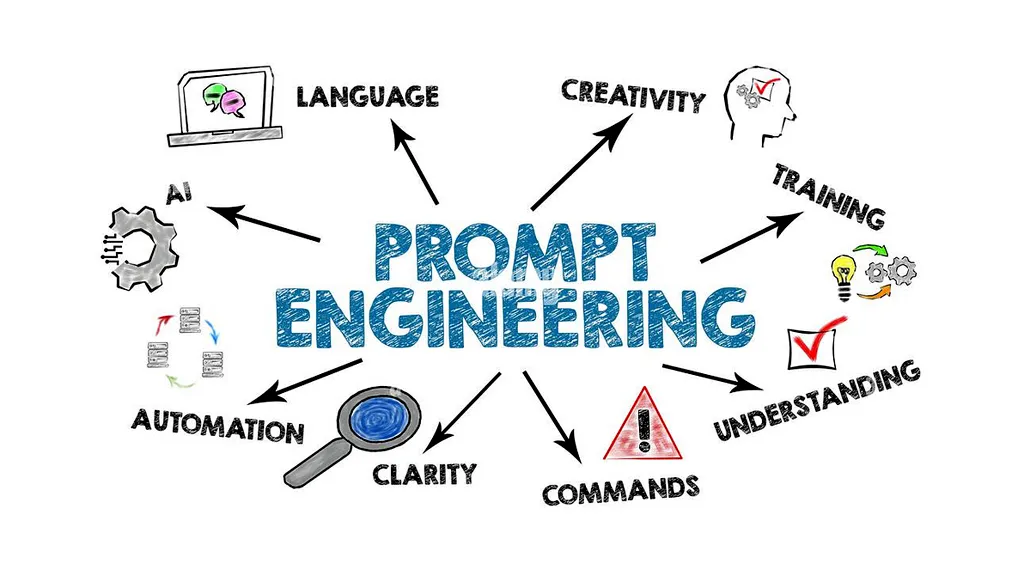
Examples help guide the AI in terms of format and style. If you’re asking for a product description, provide one or two examples. When you show the AI what good output looks like, it’s more likely to follow that pattern.
5. Experiment with Rephrasing
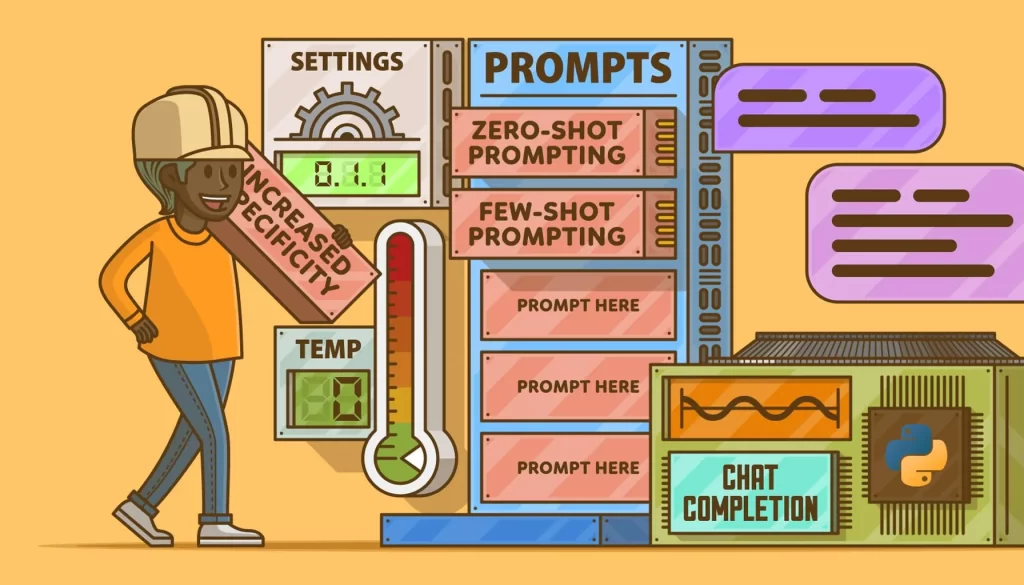
If a prompt isn’t producing good results, don’t hesitate to rephrase it. Small changes in wording can lead to big differences in outcome. Try asking the same question in different ways, or restructure your request with bullet points to make it easier to parse.
6. Use Systematic Prompt Structures
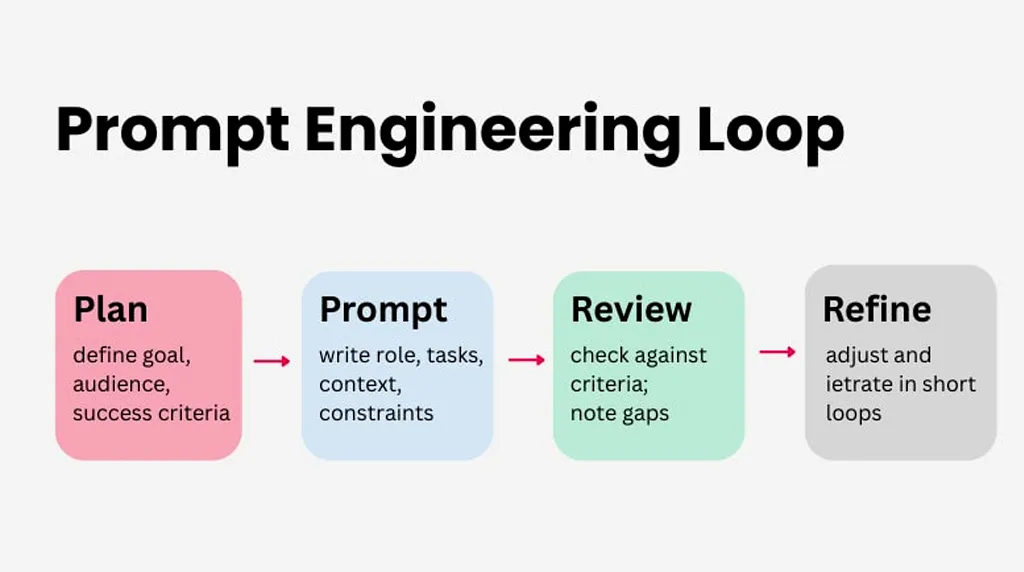
Create a reusable framework for your prompts. For instance, if you’re generating marketing emails, your structure might be:
[Purpose] + [Target Audience] + [Tone] + [Length] + [Call to Action]
Example: “Write a persuasive email for young entrepreneurs introducing a new budgeting app. Keep it friendly and under 150 words. End with a CTA to download.”
7. Specify Output Format

8. Add Constraints and Context
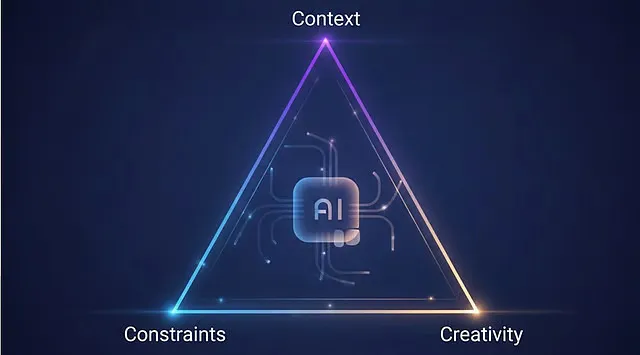
Adding constraints helps the AI stay focused. For example, you might ask, “Give three tips for reducing stress at work, each under 20 words.” Also, provide context whenever necessary: “This article will be posted on LinkedIn.
9. Use Iterative Refinement
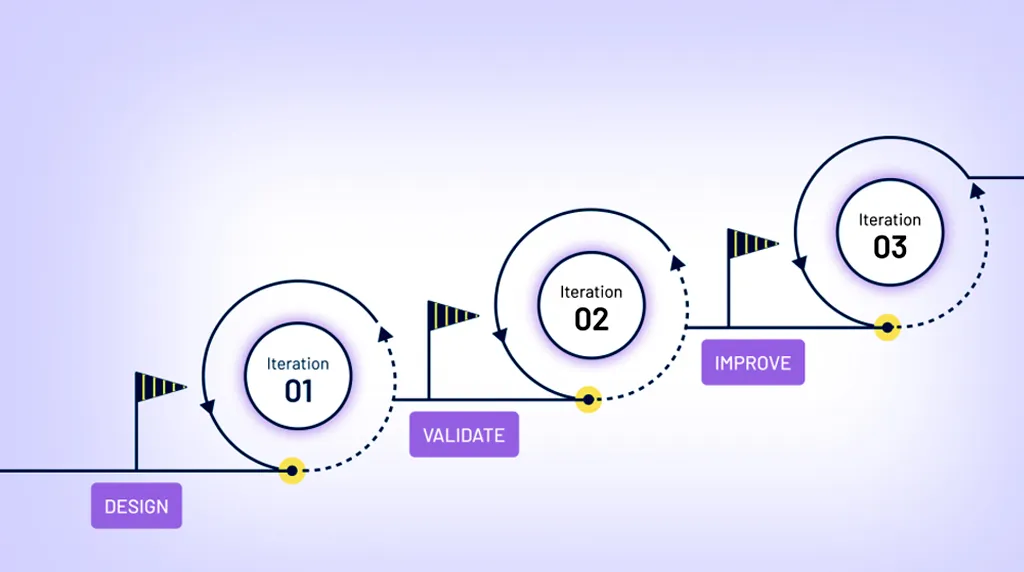
Don’t expect the perfect response on the first try. AI interactions often benefit from refinement. Ask a follow-up like, “Can you make that more formal?” or “Add a statistic to support the second point.” Iterative prompting lets you steer the conversation toward a better result.
10. Avoid Ambiguity and Open-Ended Prompts (When Possible)

Open-ended prompts can be useful for brainstorming, but they also lead to unpredictable results. If you need consistency, avoid ambiguity. Instead of asking “What’s a good name for my business?”, be more precise: “Suggest five creative names for a home-based vegan bakery that appeal to health-conscious customers.”
11. Use Prompt Chaining for Complex Projects
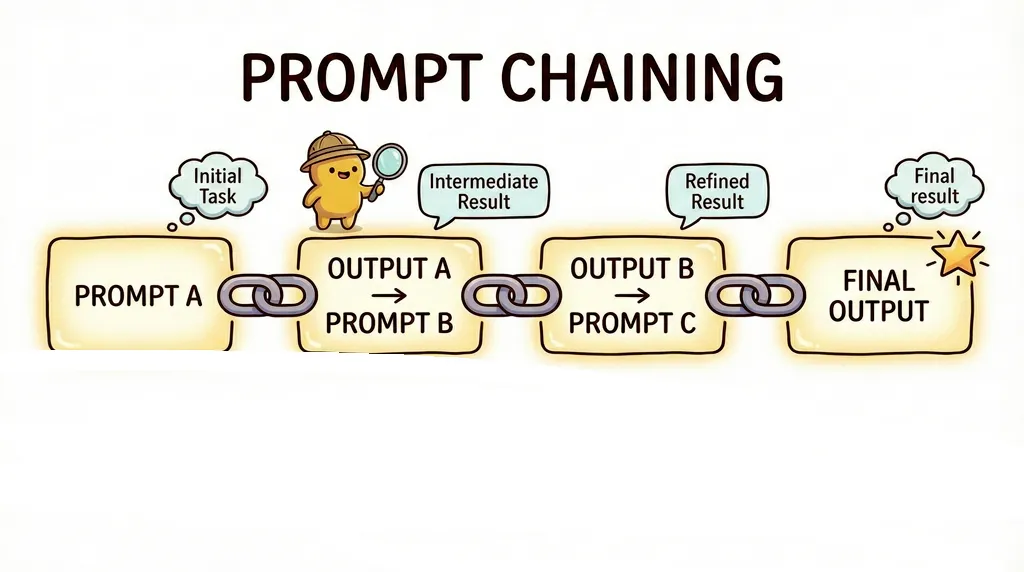
For example, when writing an eBook, you could first generate an outline, then flesh out each chapter using separate prompts. This method provides more control and structure, especially when working on long-form or multi-step content.
12. Test with Different AI Models

Not all AI systems respond the same way to the same prompt. If you’re using platforms like ChatGPT, Claude, or Gemini, test your prompt across a few to see which performs best. You might find one model understands a particular type of instruction more clearly.
Conclusion
With some practice and experimentation, you can learn to speak the “language” of AI effectively and get better, faster, and more useful results. By being specific, structured, and iterative in your approach, you’ll unlock the full potential of AI tools—whether you’re writing content, solving problems, or automating business tasks. In an AI-driven world, learning how to craft better prompts is quickly becoming a must-have skill for professionals and entrepreneurs alike.
1. What is prompt engineering and why should I care?
It’s just how you ask the AI for something. Better questions = better answers. If you’re vague, you’ll get vague stuff back. Spend 10 extra seconds on your prompt and you’ll save 10 minutes fixing the output.
2. How specific do I need to be?
Very. Don’t say “help me with my resume.” Say “rewrite my resume bullet for a marketing role. Keep it under 20 words and start with an action verb.” Tell it the job, the format, the tone, and what to leave out.
3. What if the AI keeps getting it wrong?
Stop asking for everything at once. Ask it to do step 1, then step 2. If it’s still off, tell it exactly what’s wrong: “No, that’s too formal. Make it sound like I’m talking to a friend.” And if it’s really stuck, just reword the whole thing from scratch.
4. Do I actually need to use examples?
Yes, it helps a ton. The AI copies style really well. If you want short, punchy sentences, show it one. Instead of explaining “be concise,” just paste “Example: Increased sales 30% in Q2 by fixing checkout flow.” Then say “write 3 more like that.”
5. How do I make it act the same way every time?
You have to remind it every new chat. AI forgets. So start with a quick “rule set”: “You’re my editor. Be blunt. Use short sentences. Ask me one question at a time.” Save that blurb somewhere and paste it in when you start a new convo.