Can AI models truly understand emotions?
Introduction
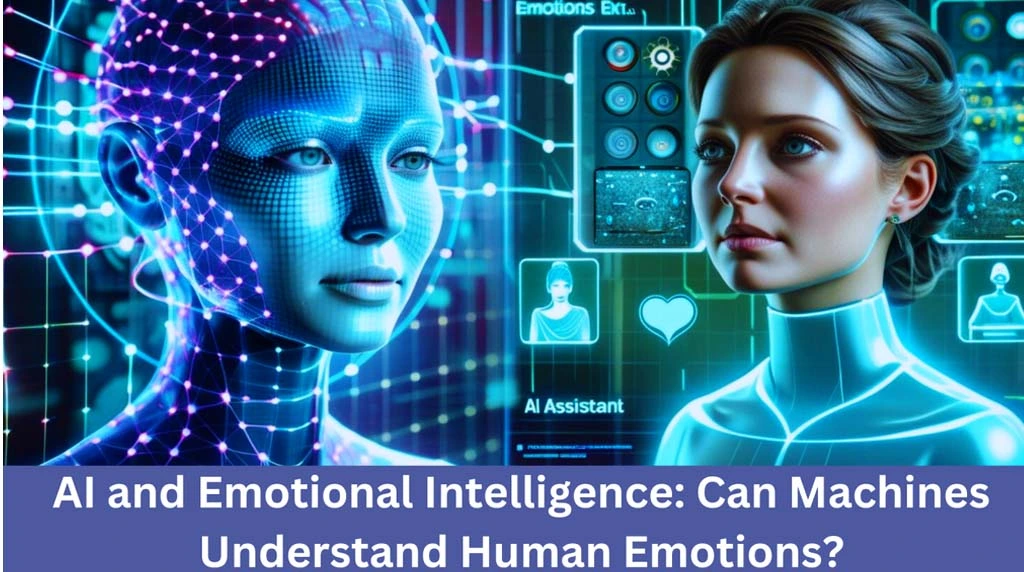
Artificial Intelligence (AI) is evolving rapidly, with machines now able to recognize faces, translate languages, write essays, and even simulate conversations. But a deeper and more complex question remains: can AI models truly understand emotions? While AI can analyse emotional cues and simulate empathetic responses, true emotional understanding—like that of a human—remains out of reach. Let’s explore what AI can and cannot do when it comes to emotion.
1. Defining Emotional Understanding
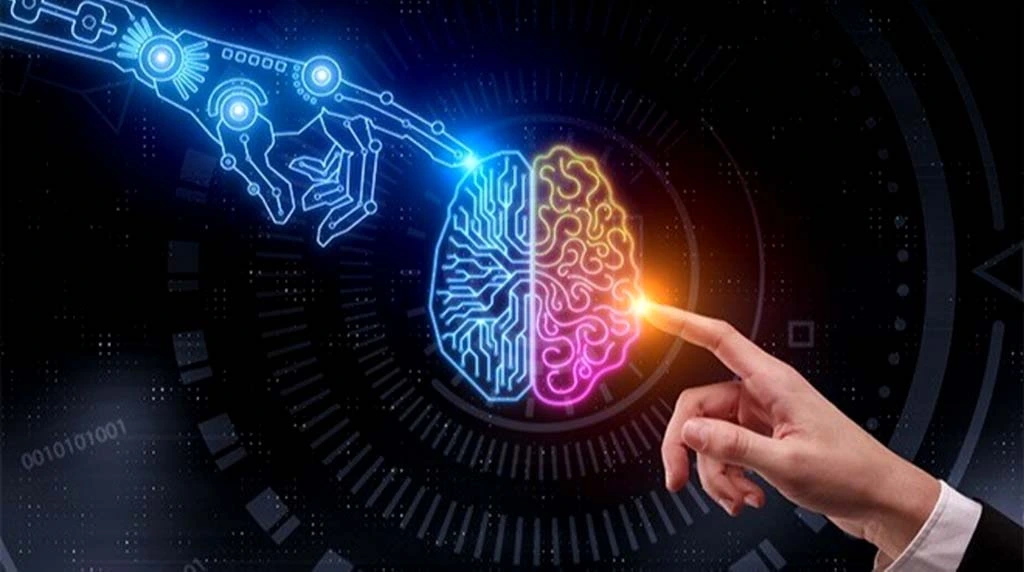
To answer whether AI can understand emotions, we need to define what emotional understanding actually means. For humans, it involves recognizing emotional states, empathizing with others, and often experiencing emotions internally. It’s not just about reacting to signals; it’s about feeling and responding meaningfully.
It does not feel joy, sadness, or fear—it detects and responds to emotional indicators.
2. How AI Detects Emotions
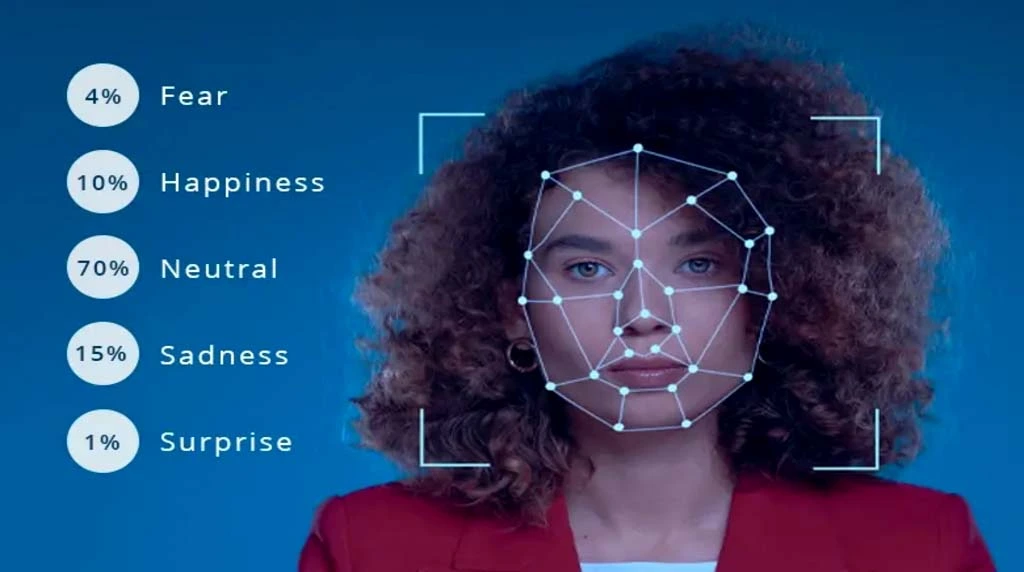
AI can recognize emotions using techniques like natural language processing (NLP) and facial recognition. Sentiment analysis tools can determine whether a tweet is happy or angry based on keywords and tone. Facial recognition software can identify smiles or frowns, while voice analysis can detect stress or excitement in a speaker’s tone.
3. Simulating Empathy vs. Feeling It
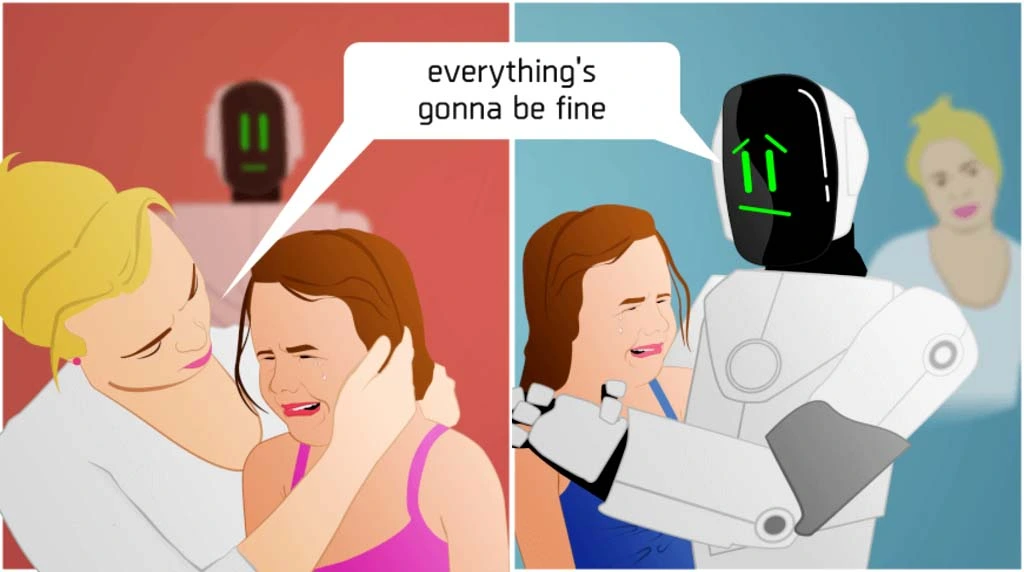
Some AI tools are programmed to simulate empathy. Virtual assistants, customer service bots, and mental health apps may say things like “I’m sorry to hear that” or “That must be frustrating.” These responses often feel human-like, but they are generated by algorithms without any real emotional context.
This simulation can be helpful. In therapy apps like Woe bot or Wysa, users may find comfort in supportive responses, even if they’re machine-generated. Still, this is mimicry, not true empathy. AI doesn’t have consciousness or the capacity to experience emotional states.
4. Emotion AI in Business and Marketing

In industries like marketing and customer service, emotion AI (also known as affective computing) is gaining traction. It’s used to analyse how customers feel during interactions, enabling businesses to tailor their responses. For example, AI might recommend calming music if it senses frustration or route a caller to a human agent if anger is detected.
This emotional responsiveness can improve customer experiences, but it doesn’t mean the AI “understands” emotions—it simply reacts based on probability models and pre-programmed rules.
5. Limitations of AI Emotional Understanding
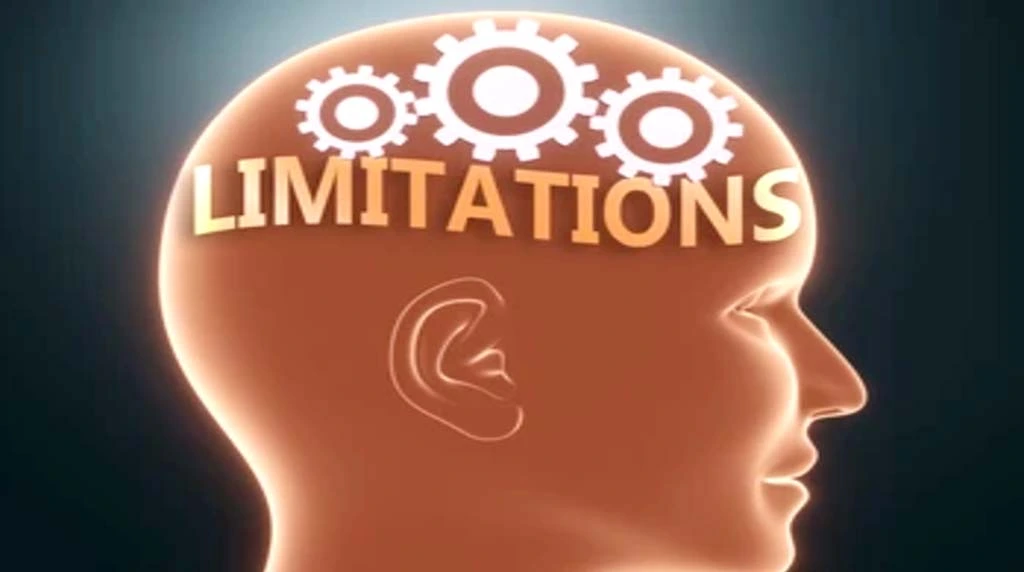
Despite impressive advances, AI’s understanding of emotion is limited in several key ways:
- Lack of context: AI can misinterpret sarcasm, cultural differences, or emotional subtleties.
- No self-awareness: AI doesn’t reflect on its own “feelings” or change its behaviour out of compassion or empathy.
- Data dependence: Emotion recognition relies heavily on training data.
- Ethical concerns: Misinterpreting emotions or feigning empathy can be misleading or even manipulative in some contexts.
These limitations highlight why emotional AI, though useful, should not be mistaken for true emotional intelligence.
6. The Philosophical Perspective
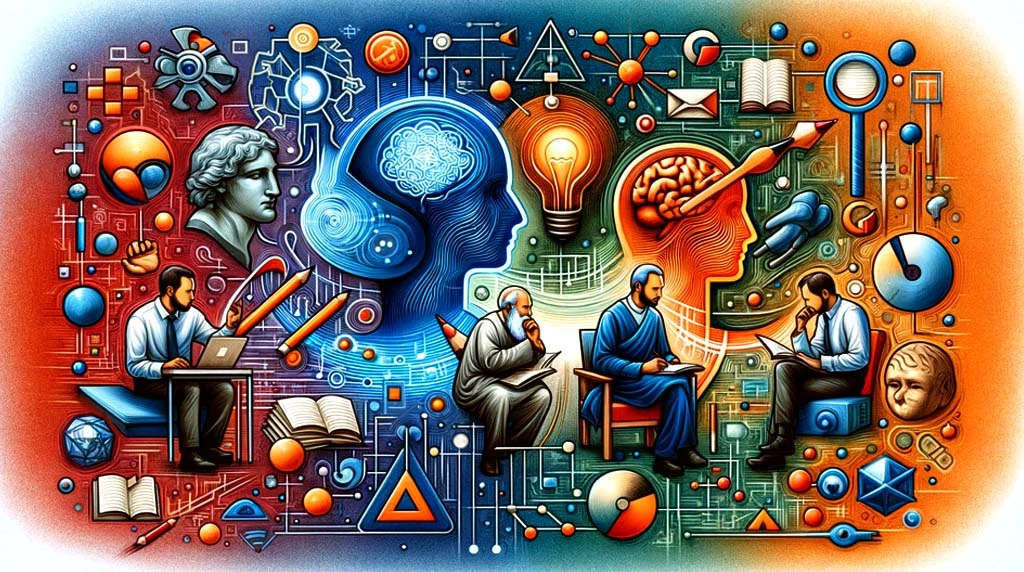
From a philosophical angle, emotions are closely tied to consciousness, identity, and subjective experience—qualities that AI does not possess. Some theorists argue that without a body, memory, or personal identity, AI can never truly feel. Others believe that with enough complexity, AI could one day mimic human cognition so closely that it appears emotionally intelligent, even if it isn’t truly sentient.
This debate continues, but most experts agree that current AI does not possess emotional consciousness, no matter how advanced its simulations may seem.
7. Future Possibilities
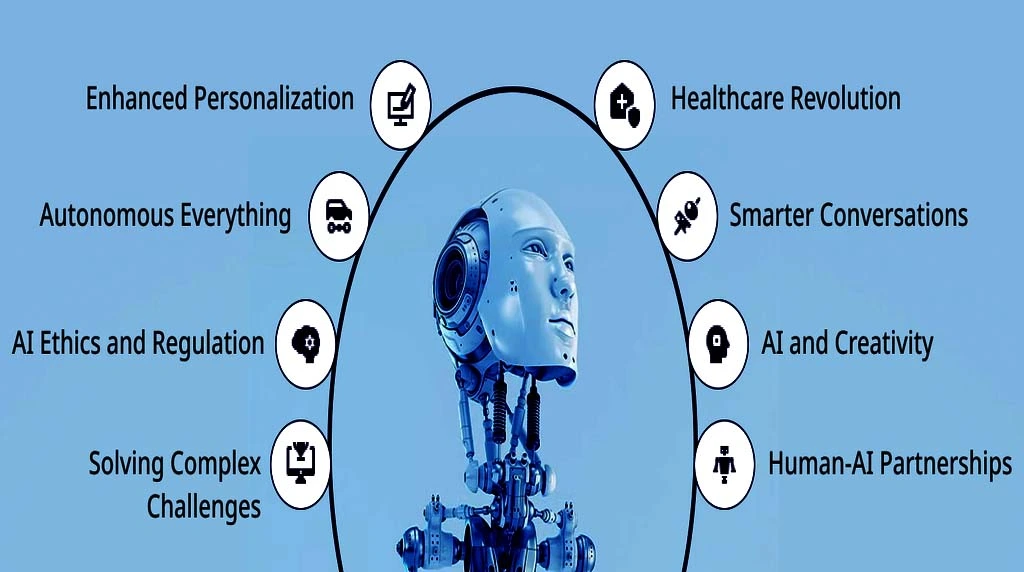
As AI evolves, researchers are working on more advanced emotional models, including those that account for mood over time, emotional memory, and multimodal cues (voice, text, facial expressions). Some predict that future AI could develop a deeper form of emotional mapping, allowing for more nuanced and context-aware responses.
However, this would still fall under the umbrella of imitation rather than genuine understanding—unless AI one day becomes conscious, which remains speculative and controversial.
Conclusion
AI models can recognize, analyse, and even mimic emotions with increasing accuracy. In fields like customer service, mental health, and marketing, this has practical value. But true emotional understanding—complete with empathy, context, and subjective experience—remains uniquely human.
For now, AI can be an emotionally aware assistant, not an emotionally intelligent peer. It can make our lives easier and our tools more responsive, but the human heart remains far more complex than any algorithm can grasp.
1. Does AI actually feel happy or sad when it talks to me?
No. AI lacks a biological body, a nervous system, and consciousness. When an AI says, “I’m so happy to help you,” it isn’t experiencing a rush of dopamine; it is predicting that “I’m happy” is the most appropriate linguistic response based on billions of human conversations in its training data. It is a simulation, not a sensation.
2. How can AI "read" my emotions if it doesn't have them?
AI uses a process called Multimodal Emotion Recognition. It breaks down your behavior into math:
- Computer Vision: It maps “Action Units” on your face (like the crinkle of eyes or the lifting of a lip corner).
- Speech Analysis: It measures the pitch, tempo, and “jitter” in your voice.
- Natural Language Processing (NLP): It analyzes your word choice for “sentiment” (e.g., words like “frustrated” vs. “disappointed”).
3. Is AI better at recognizing emotions than humans are?
In specific contexts, yes. Studies in 2026 show that certain AI models can detect “micro-expressions”—facial movements lasting only a fraction of a second—that the average human eye misses. For example, AI is increasingly used in customer service to detect “silent frustration” in a caller’s voice before they even realize they are angry, allowing the system to pivot to a more helpful tone.
4. Can AI provide genuine empathy or support?
AI provides what experts call “Artificial Empathy.” * The Benefit: Because it is a machine, AI is infinitely patient, non-judgmental, and available 24/7. This makes it an excellent “triage” tool for loneliness or venting.
- The Risk: It lacks “shared vulnerability.” A human friend understands your grief because they have felt it too. AI only understands the patterns of grief. Relying solely on AI for emotional support can lead to “emotional hollowing,” where we trade deep human connection for easy, algorithmic validation.
5. Can AI be "fooled" by a fake smile?
Yes. This is a major ethical hurdle. AI often struggles with Context and Sarcasm.
- The “Smile” Problem: A person might smile because they are happy, but they might also smile because they are nervous, being polite, or even being condescending.
- Cultural Differences: AI models trained primarily on Western data often misinterpret emotional cues from other cultures. Because AI doesn’t understand why we feel, it can easily be “tricked” by someone masking their true feelings.