Top Behance Portfolios to Follow for Design Inspiration
Introduction
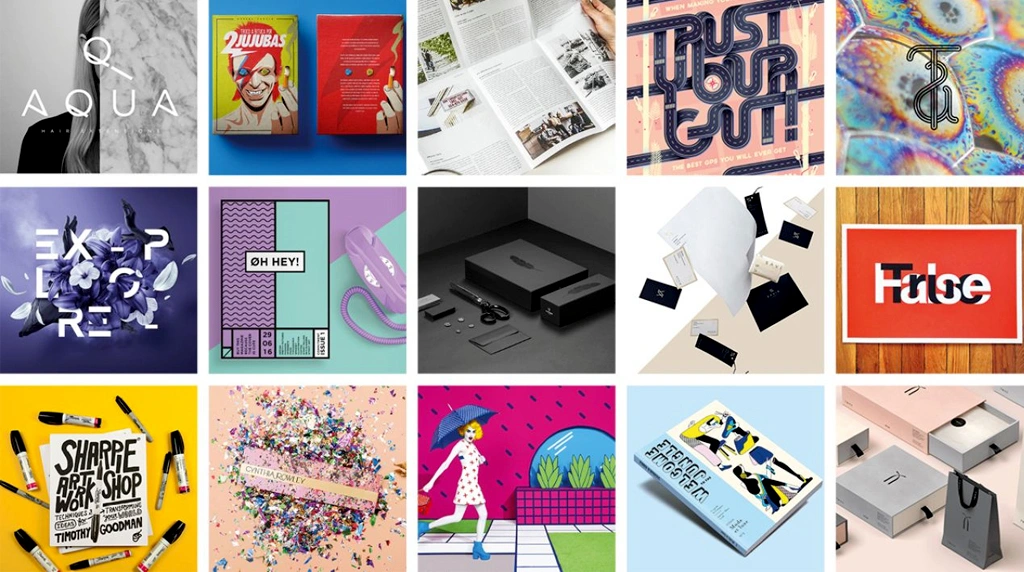
Behance is one of the most vibrant platforms for designers to showcase their work and for creatives everywhere to discover fresh ideas. From branding and typography to UI/UX design, illustration, and 3D art, Behance features an incredible variety of styles and approaches. Following top portfolios on Behance not only keeps you updated with the latest design trends but also helps you push your own creative boundaries. Here are some standout behance portfolios you should follow for daily design inspiration.
Experimental Typography and Motion
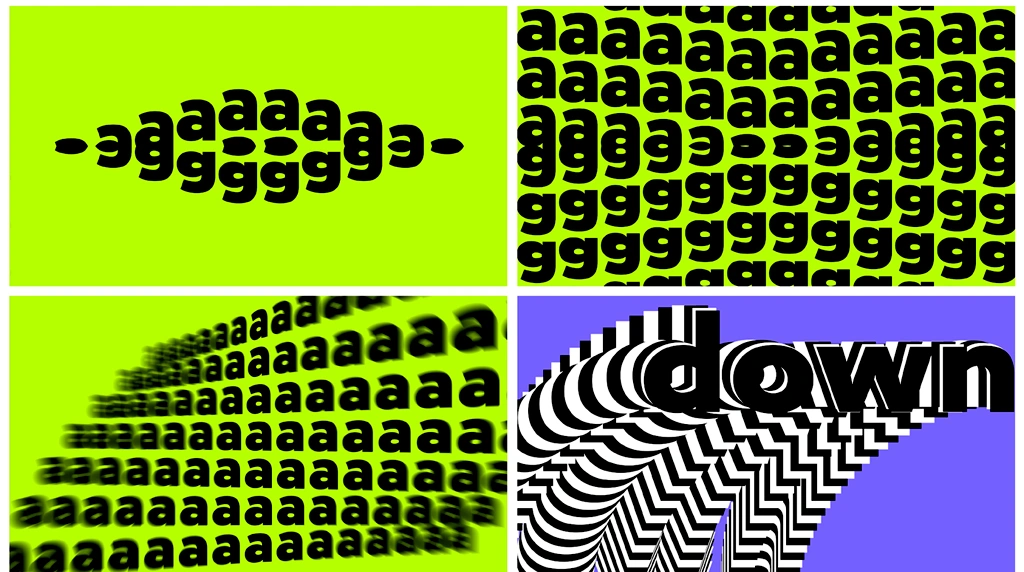
Ruslan Khasanov is a Russian designer celebrated for his imaginative and experimental use of typography, photography, and motion. His portfolio is filled with vibrant, fluid compositions that often blend ink, water, oil, and light in mesmerizing ways. Khasanov’s work bridges the gap between fine art and graphic design, creating projects that feel alive and dynamic. If you’re interested in pushing the limits of typography or exploring how motion can enhance type and image, Khasanov’s portfolio offers endless inspiration.
Elegant Branding and Packaging
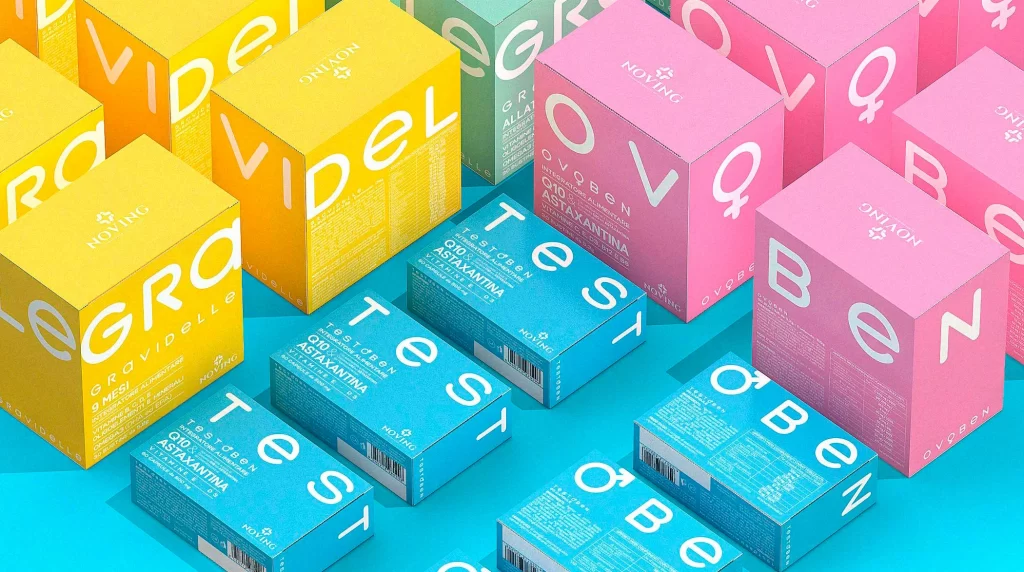
Deep Yellow, a creative studio based in Germany, is known for its sophisticated branding, packaging, and identity work. Their Behance portfolio is a masterclass in minimalism, showing how clean design and thoughtful typography can make a lasting impression. Each project tells a compelling story through subtle color palettes, sleek layouts, and carefully considered details. Whether they’re working on luxury cosmetics, food packaging, or tech startups, Deep Yellow’s work demonstrates the power of simplicity. Their portfolio is perfect for designers who want to refine their branding skills.
Bold UI/UX and Digital Design

For those focused on UI/UX and digital products, Tran Mau Tri Tam’s portfolio is essential viewing. Based in Vietnam, Tam produces stunning app designs, website interfaces, and dashboards that combine beauty with usability. His work often features bold colour schemes, modern trends like glassmorphism, and sleek animations. What sets Tam apart is his attention to both aesthetics and user experience. His detailed case studies often include wireframes, prototypes, and user flows, offering valuable insights into his design process. UI/UX designers looking for fresh layout ideas and interactive elements will find plenty to admire here.
Playful and Warm Illustration
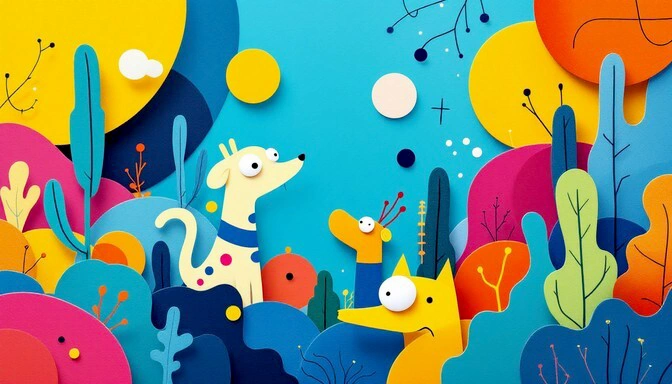
Illustrators should check out the vibrant portfolio of Irina Bogdan, an artist from Ukraine whose work is filled with charm and personality. Bogdan’s illustrations blend bright colours, whimsical characters, and rich textures to create pieces that feel joyful and approachable. Her projects often celebrate nature, culture, and human connection. What makes her portfolio especially engaging is the way she shares her creative process, including rough sketches and early concepts. This behind-the-scenes look provides valuable lessons for illustrators seeking to develop their own style.
Stunning 3D and Motion Design

Peter Tarka is a London-based designer who specializes in 3D illustration and motion graphics. His Behance portfolio features futuristic, surreal compositions that play with form, light, and texture. Tarka’s work stands out for its precision and creativity, often blending abstract geometry with vibrant colour palettes. His designs are perfect inspiration for creatives interested in adding depth and dimension to their projects. Whether you’re working on advertising, branding, or editorial design, his portfolio demonstrates how 3D elements can create impact.
Curated Design Excellence
If you want a daily stream of diverse design inspiration, follow Mindsparkle Mag. This account curates some of the best projects from across Behance, covering everything from web design and packaging to photography and animation. By following Mindsparkle Mag, you’ll be introduced to new designers, studios, and trends from around the world. It’s like having a personalized feed of high-quality design to keep your creativity flowing.
Conclusion
Behance is more than just a portfolio platform — it’s a global hub for creative inspiration. By following these standout portfolios, you’ll be exposed to fresh ideas, new techniques, and different design perspectives. From experimental typography and clean branding to dynamic UI/UX and imaginative illustration, there’s something for every kind of designer. Make it a habit to explore Behance regularly, save projects that spark ideas, and engage with work that resonates with you. The more you immerse yourself in great design, the more you’ll fuel your own creative growth.
Q1. How do I find the best Behance portfolios for my specific design niche?
Use Behance’s built-in filters to narrow by field. Go to Discover > Projects and select categories like UI/UX, Branding, Motion, Illustration, or Typography. For hyper-specific styles, combine search terms: “minimalist packaging,” “3D product render,” “editorial layout.” Follow Curated Galleries like Adobe XD, Interaction Gallery, and Graphic Design — they surface high-quality work daily. Pro tip: Check the “Appreciated by” section on a portfolio you like; it leads to creators with similar taste.
Q2. What makes a Behance portfolio worth following for long-term inspiration?
Look beyond pretty images. The best portfolios to follow consistently share:
- Process breakdowns: Mood boards, wireframes, failed concepts, and final output.
- Case studies: Problem → approach → result, not just gallery shots.
- Consistent updates: Posting 2–4x per month signals an active creator.
- Diverse applications: A brand designer who shows logo, packaging, motion, and web use is more valuable than one-off posts.
If they explain why they made decisions, you’ll learn more than from aesthetics alone.
Q3. Should I follow individual designers or studios on Behance?
Do both — they serve different needs.
Follow This | Best For | Example Value |
Individual Designers | Skill growth, niche techniques | See personal experiments, side projects, career progression |
Design Studios | Trends, client work, team workflows | Understand how agencies pitch, present, and scale systems |
Creative Directors | Big-picture thinking, art direction | Learn concepting, storytelling, and leading visual language |
Mix 60% individuals + 40% studios to balance craft and context.
Q4. How often should I check Behance and how do I avoid inspiration overload?
Treat it like a reference library, not a social feed. Set a 20-minute ritual 2x per week instead of endless scrolling. Save projects to Moodboards with clear labels: “Color Systems,” “Grid Ideas,” “Micro-interactions.” Unfollow accounts that post daily but lack depth — quality beats quantity. If you’re in a project, limit Behance to the research phase only; too much mid-project browsing causes style mimicry.
Q5. Can following top Behance portfolios actually improve my own work?
Yes, if you engage actively. Don’t just double-tap. Try this cycle:
- Analyze: Pick 1 portfolio weekly and reverse-engineer 3 decisions. Why that type pairing? Why that grid?
- Steal like an artist: Recreate a section with your own content to understand the mechanics.
- Connect: Comment with a specific question. Many top designers reply and even share source files.
- Track patterns: After 1 month, note what keeps appearing — those are current industry signals you can adapt, not copy.