How AI Is Changing the Graphic Design Industry
Introduction
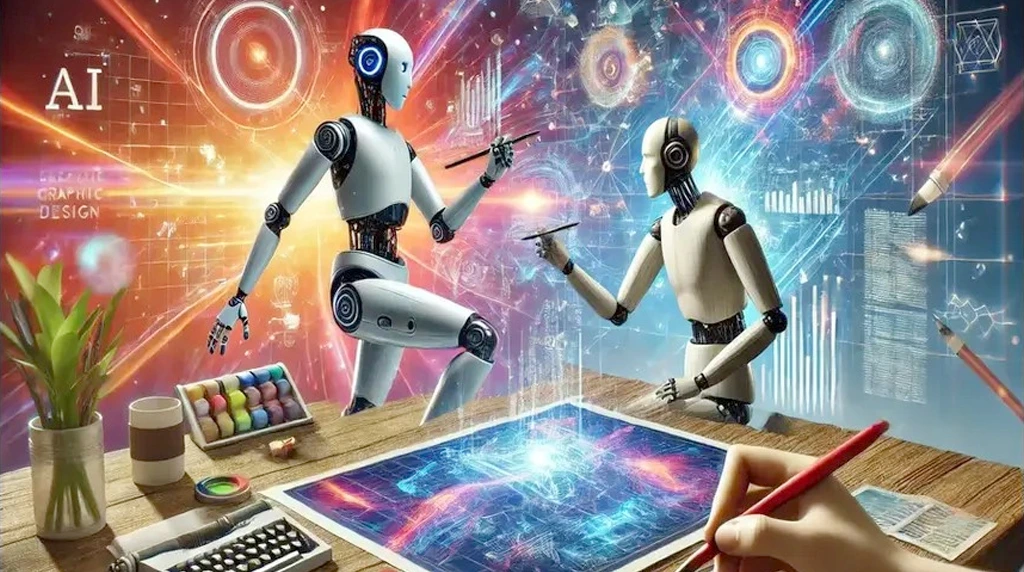
With the rise of AI-powered tools, graphic designers now have new ways to create, experiment, and streamline their workflows. This technology is reshaping how creative projects come to life.
AI Automation

Boosting Creativity
Personalization

Another area AI impacts is personalization. With data analysis, AI can help designers create tailored visuals that better match the target audience’s preferences. This means marketing campaigns or websites can become more effective and engaging.
Human-AI Collaboration
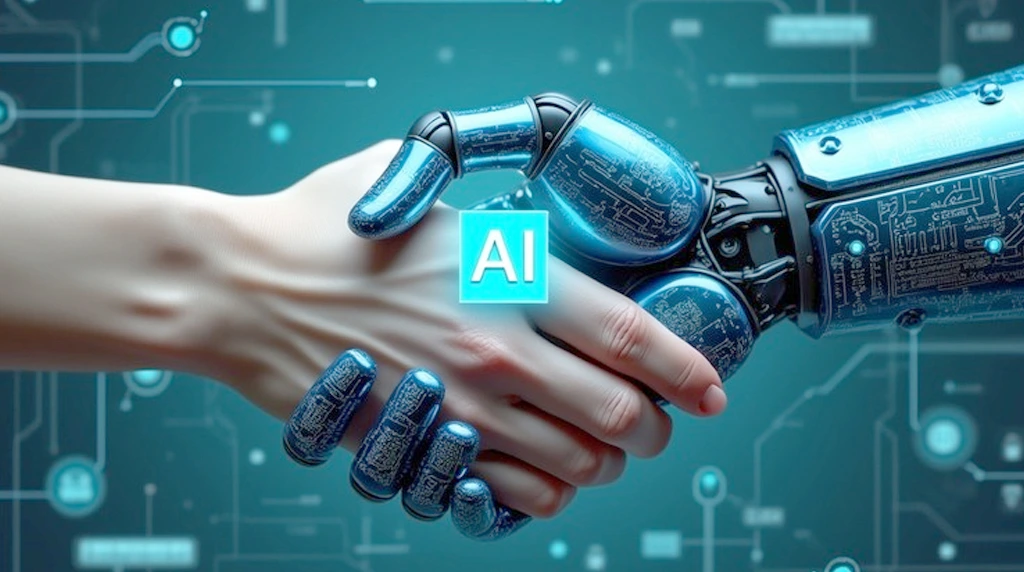
Collaboration between humans and machines is becoming the norm. AI tools work as assistants, offering suggestions or automating routine parts of the process while the designer maintains creative control. This balance allows for greater efficiency without losing the designer’s unique touch.
AI and Accessibility
Challenges of AI
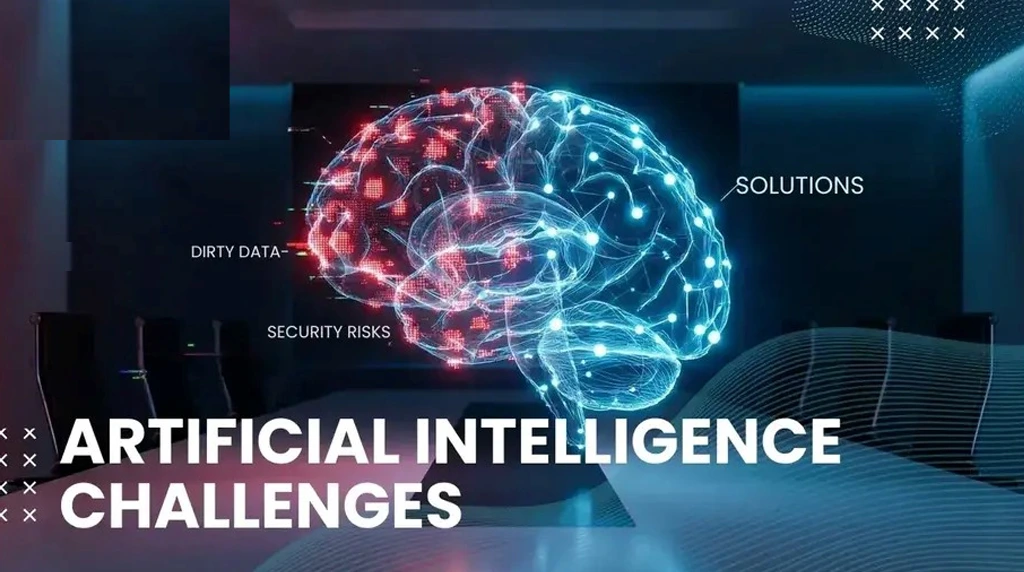
However, some challenges come with AI integration. There are concerns about originality since AI often learns from existing designs. Designers must ensure their work remains unique and authentic, using AI as a helper rather than a crutch.
Evolving Roles

Conclusion
Q1 Is AI going to take over all graphic design jobs?
Not really! Think of AI more like a super helpful assistant, not a replacement. It handles the repetitive stuff, letting designers focus on the big creative ideas and strategies.
Q2 How does AI actually help graphic designers?
AI tools can speed up a bunch of tasks like resizing images, removing backgrounds, and even generating different design options or concepts super fast. This means designers can explore more ideas and get to the final product quicker.
Can AI create completely new designs from scratch?
Yes, generative AI can create visuals from text descriptions, helping designers brainstorm and quickly see different styles or concepts. It’s like having a creative sparring partner.
Q4 What are the downsides or challenges of using AI in graphic design?
Some worries include designs becoming too similar or lacking a unique human touch if designers rely too much on AI templates. There are also ethical considerations around intellectual property and data bias.
Q5 How can graphic designers prepare for AI?
The best way is to embrace AI tools and learn how to use them to their advantage. Developing skills in areas like creative direction and curating AI-generated content will be key. It’s all about working with AI, not against it [9087, 84d2].