The rise of multimodal AI: what’s next after ChatGPT and Gemini?
Introduction
In recent years, a major leap in AI has come from the emergence of multimodal models systems capable of understanding and generating content across multiple input types like text, images, audio, and video. Flagship models such as Open AI’s Chat GPT (particularly GPT-4 with image and voice capabilities) and Google’s Gemini have signaled the beginning of this new era. These models go beyond text-only interaction, representing a major shift toward how AI understands the world in a way that mirrors human perception. The question now arises: what comes next?
Breaking Down the Silos

At the core of this transformation is the idea that AI should interact with the world similarly to how humans do — by combining inputs from various senses. Historically, AI systems were siloed one model would process text, another would interpret images, and a third might handle speech. This fragmentation made it difficult for machines to fully comprehend complex contexts that humans understand intuitively. Multimodal AI changes that. For example, today’s advanced models can analyse a picture, extract information from it, and discuss its content conversationally. This capacity creates opportunities for richer, more natural interactions across industries like healthcare, education, entertainment, and customer service.
GPT-4 and Gemini
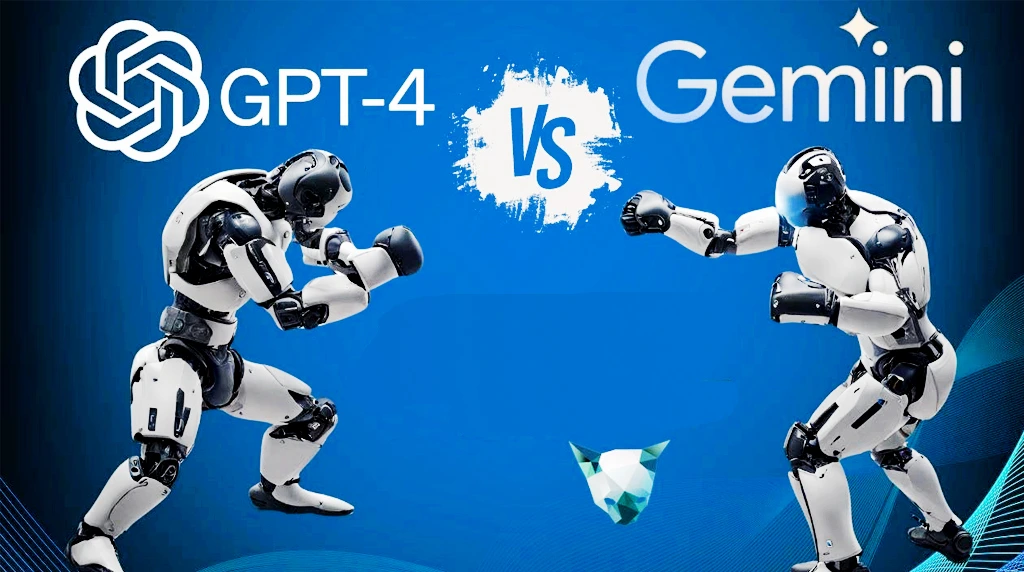
Open AI’s GPT-4 (especially in the Pro-tier version of Chat GPT) allows users to upload images, interpret diagrams, and even generate responses informed by visual cues. It also supports voice conversations, which introduces tone, emotion, and spontaneity into the human-AI relationship. Google’s Gemini models go even further by being “natively multimodal,” meaning they are trained to understand and generate multiple types of content from the beginning, rather than being adapted later. This enables more fluid, contextual reasoning across inputs — a foundational element for the next phase of artificial intelligence.
Real-World Applications
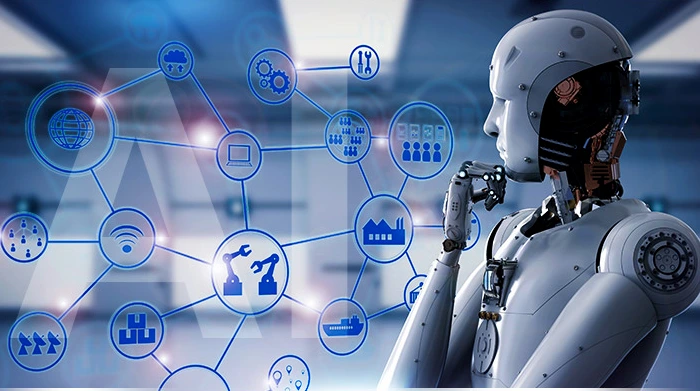
In medicine, AI can now analyse medical reports alongside x-rays or CT scans, making diagnostic support more comprehensive. In classrooms, multimodal AI can generate customized lesson plans with text explanations, visual aids, and even video demonstrations — all tailored to the student’s learning style. In creative industries, content creators can prompt AIs to produce video clips, design visuals, or compose music based on textual or spoken input. This cross-modal creativity is already transforming workflows and redefining productivity and originality in various professions.
Embodied AI
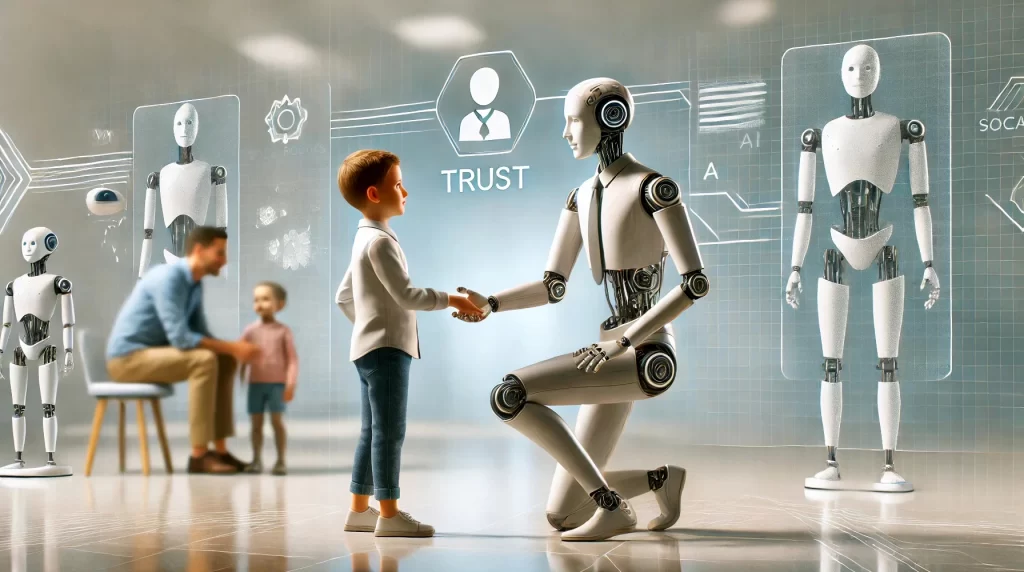
This means combining these AI models with real-world robotic systems or wearable devices, allowing machines not just to understand multimodal inputs, but also to act in response. Embodied AI — such as AI assistants in humanoid robots — will be capable of interacting with the physical world in human-like ways, interpreting sights, sounds, and speech while responding appropriately in real-time. For example, a robot equipped with a multimodal model could assist in home care, monitor surroundings for safety, and communicate effectively with humans using natural speech and gestures.
Challenges of Multimodal AI
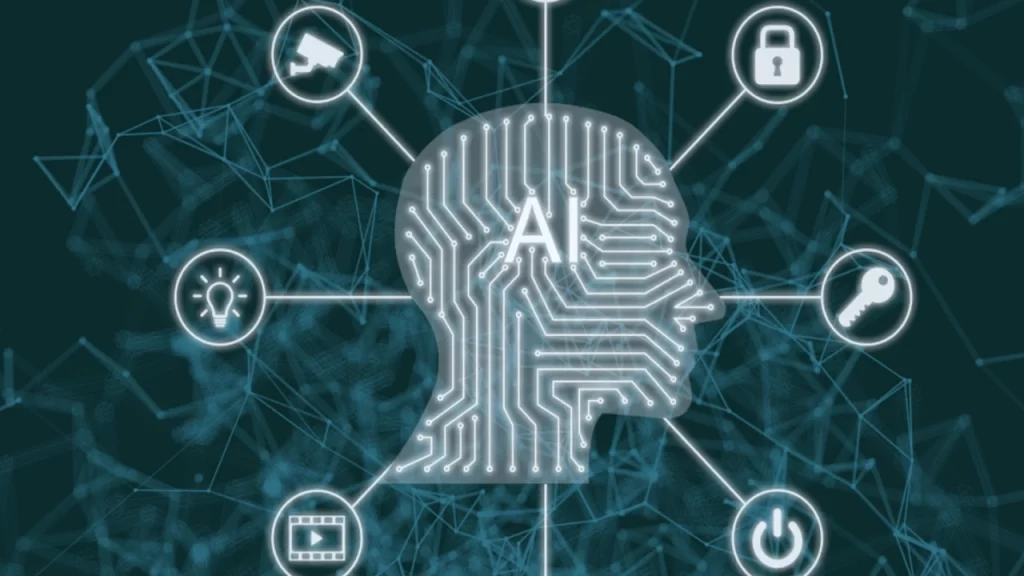
Processing text, images, and video together requires vast datasets, more training time, and greater energy consumption. This raises concerns about scalability, environmental impact, and accessibility, especially for smaller organizations that cannot afford such infrastructure. AI-generated deep fakes, disinformation, or manipulated content become easier to produce with multimodal tools, making content authenticity harder to verify. Companies must implement safeguards like watermarking and usage monitoring to address these risks.
Ethical and Privacy Concerns

Ethical issues also arise. As multimodal models learn from vast pools of internet data, they may absorb and amplify biases — not just in text, but also in visual and auditory content. If unchecked, this can lead to skewed interpretations, harmful stereotypes, or unfair outcomes in AI-generated decisions. Transparency, fairness, and responsible data curation must therefore be prioritized as these models become more widespread. Additionally, data privacy becomes more complex. When users upload personal images or voice recordings, how that data is stored, processed, or reused needs to be clearly communicated and tightly controlled.
The Future of Multimodal AI
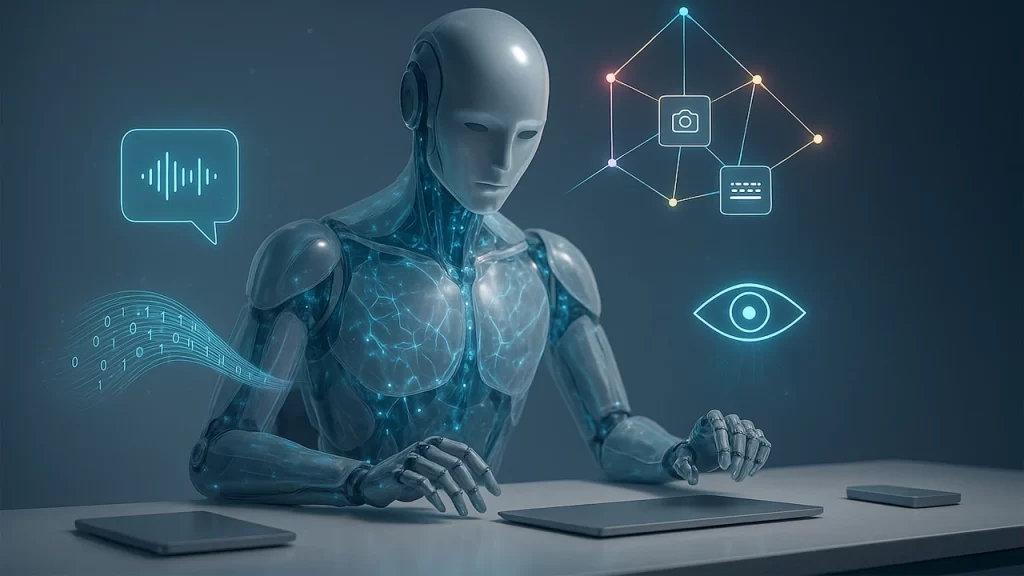
Innovation in this space is accelerating. Tools like Open AI’s Sora, which generates videos from text prompts, are pushing the boundaries even further. We are beginning to see multimodal agents that act as universal digital assistants — capable of seeing what you see, hearing what you hear, and responding with meaningful, multimodal output. These systems could soon become personal companions, creative partners, or even co-workers, capable of operating across applications and environments with minimal instruction.
Conclusion
In conclusion, the rise of multimodal AI marks a profound shift in artificial intelligence — one that moves us closer to machines that understand and interact with the world more like we do. Chat GPT and Gemini are just the beginning. The future of AI will not be limited to text-based chat bots, but will consist of intelligent systems that can see, hear, speak, and act in coordinated, human-like ways. As this technology matures, its impact will ripple across every aspect of our lives — transforming industries, challenging norms, and ultimately reshaping our relationship with machines.
1. What is multimodal AI and how is it different from traditional AI?
Multimodal AI can process and understand multiple types of data like text, images, audio, and video simultaneously, unlike traditional AI which usually focuses on a single format (like only text or only images).
2. What advancements can we expect after tools like ChatGPT and Gemini?
Future AI systems will become more human-like, capable of real-time understanding across voice, visuals, and actions—like analyzing videos while conversing or assisting in live environments.
3. How will multimodal AI impact jobs and industries?
It will transform industries like healthcare, education, marketing, and design by automating complex tasks, improving decision-making, and creating new job roles that combine creativity with AI skills.
4. What are the biggest challenges in developing multimodal AI?
Key challenges include data integration, accuracy across different formats, high computational costs, and ensuring ethical use like privacy and bias control.
5. What skills should people learn to stay relevant in the age of multimodal AI?
Skills like AI literacy, prompt engineering, data analysis, creative thinking, and familiarity with AI tools (for design, content, and automation) will be essential for future careers.