The impact of open-source AI models on innovation
Introduction
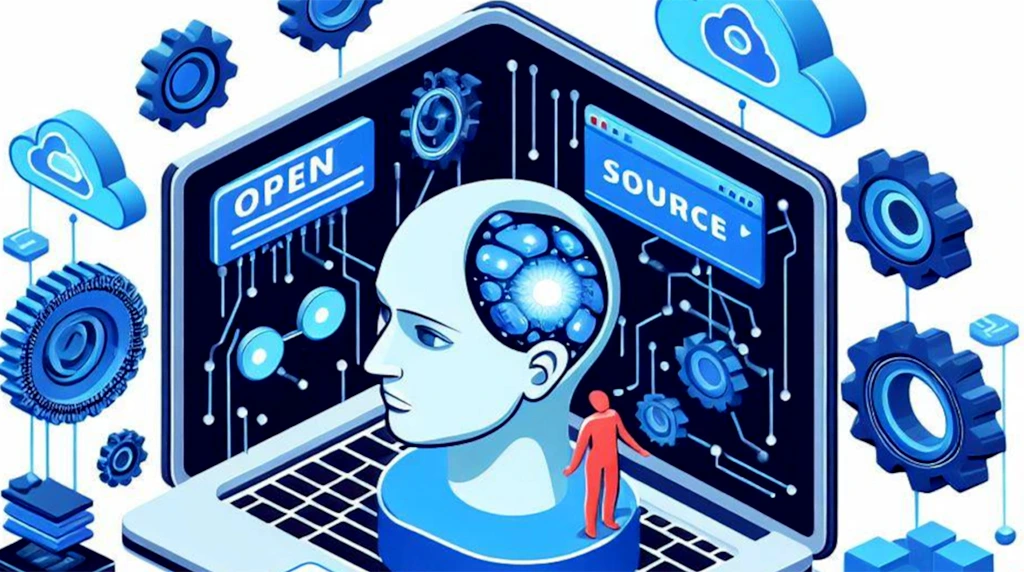
One of the most significant drivers of this transformation is the growing availability of open-source AI models. This democratization of AI has become a powerful catalyst for innovation, enabling a broader range of individuals and organizations to experiment, collaborate, and push the boundaries of what is possible.
Democratizing Access to Advanced Technology

Traditionally, developing advanced AI systems required vast computational resources, highly specialized expertise, and significant financial investment. However, open-source models have leveled the playing field. By making state-of-the-art models publicly available, developers, startups, and academic researchers who lack access to massive data centers or large R&D budgets can still participate in cutting-edge AI development.
Projects such as Meta’s LLaMA, OpenAI’s Whisper, and Hugging Face’s Transformers library have allowed developers around the world to build applications in natural language processing, computer vision, and speech recognition without starting from scratch. This democratization has led to a surge of innovative tools, apps, and services being built by small teams, independent developers, and institutions in developing countries—contributions that might have been impossible without open access to foundational models prediction market
Accelerating Research and Experimentation

Open-source AI fosters a culture of rapid experimentation and scientific progress. Researchers can freely test new ideas, compare approaches, and build upon previous work without the limitations of proprietary systems. This open model leads to faster iteration cycles and more robust solutions.
For example, in fields like medicine and biology, open-source AI models have enabled researchers to develop novel diagnostic tools, analyse genetic data, and simulate protein structures with unprecedented speed and accuracy. When AI models are open, researchers can collaborate across institutions and disciplines, contributing to a more collective and accelerated pursuit of knowledge.
Moreover, open-source communities often engage in peer review and code sharing, ensuring that new ideas are thoroughly vetted and improved. This transparency not only enhances the reliability of AI systems but also drives innovation by encouraging contributions from diverse perspectives.
Enabling Customization and Niche Applications
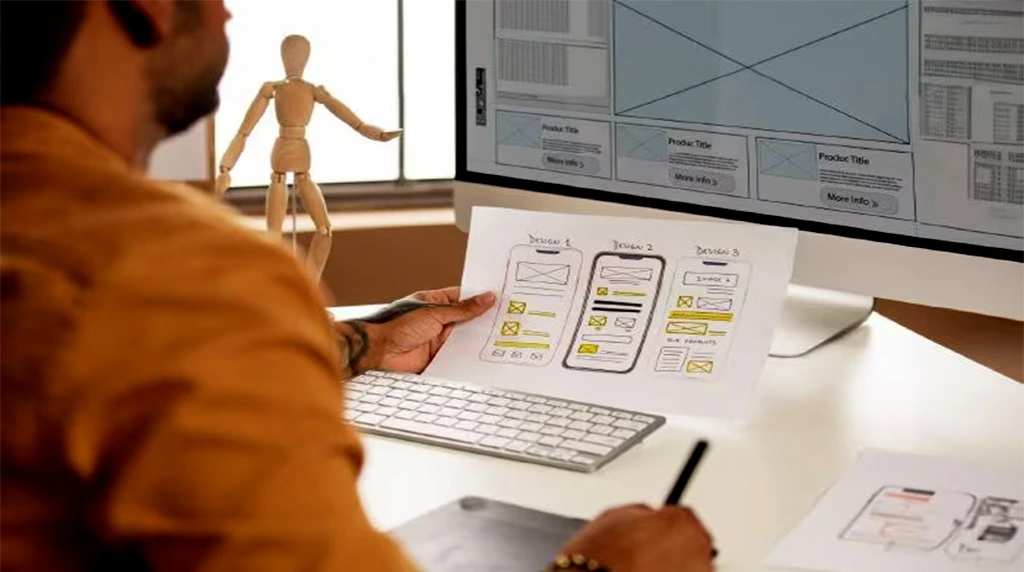
Another powerful benefit of open-source AI is the ability to customize and adapt models for specific use cases. While proprietary AI tools are often one-size-fits-all, open-source models can be fine-tuned and retrained for niche domains or languages. This is especially valuable in regions with unique linguistic, cultural, or industrial needs that may be overlooked by large tech companies.
For instance, open-source language models have been fine-tuned to support underrepresented languages, enabling improved translation, speech recognition, and content moderation in communities previously left out of the AI revolution. Similarly, industries like agriculture, environmental monitoring, and manufacturing have used open-source vision models to develop specialized tools tailored to their particular needs.
The flexibility of open-source models encourages a wide array of experimentation, which in turn fuels market diversity and innovation across sectors.
Promoting Transparency and Ethical AI Development

With access to the code, data, and training procedures, developers and researchers can scrutinize how models are built and how they behave. This transparency allows for better identification of biases, errors, and unintended consequences.
Moreover, communities can work together to create tools that align with ethical standards and societal values. For example, efforts are being made to build privacy-preserving AI models, bias-mitigation algorithms, and explainable AI systems—all of which are supported and accelerated by open-source collaboration.
By contrast, closed AI systems often lack this visibility, making it harder for users and regulators to understand or trust their decisions. Open-source AI not only promotes accountability but also creates a collaborative environment where challenges can be addressed collectively.
Challenges and Considerations
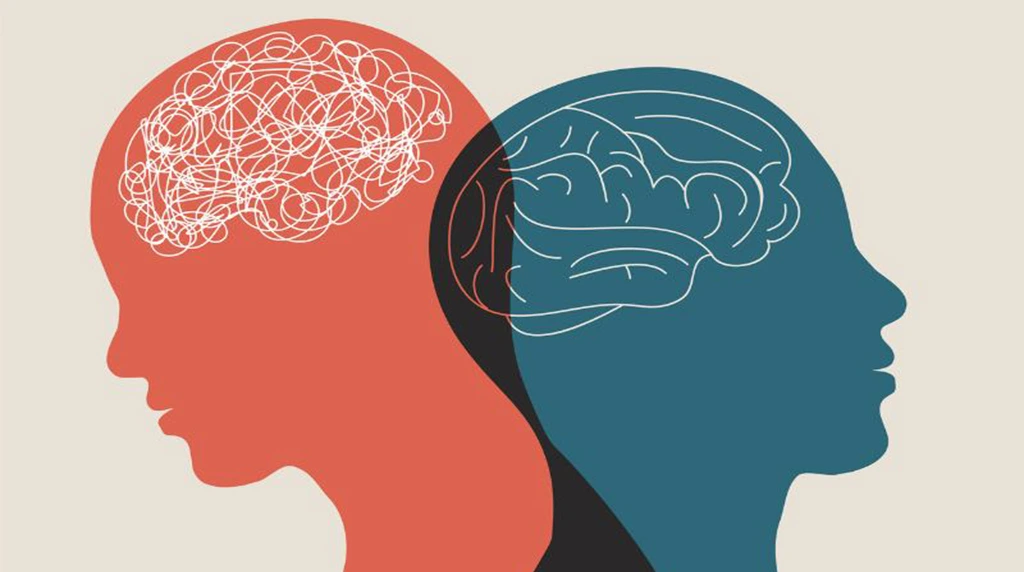
One major concern is the potential misuse of powerful models, such as generating deepfakes, spreading misinformation, or automating cyber attacks. Making these tools publicly accessible raises questions about responsible usage and the need for safeguards.
Additionally, open-source projects often rely on volunteer contributors and limited funding, which can impact their long-term sustainability and support. There is also the issue of data privacy and intellectual property, especially when models are trained on public data that may contain sensitive or copyrighted information.
To address these challenges, the AI community is working on establishing ethical guidelines, licensing standards, and content moderation practices that balance openness with safety and responsibility.
Conclusion
Open-source AI models have had a profound impact on innovation by lowering barriers, fostering collaboration, and encouraging the responsible development of cutting-edge technology. They empower a wider range of people to participate in the AI revolution, from hobbyist developers and startups to global research teams and underrepresented communities. As we move forward, continuing to invest in and support open-source initiatives will be crucial to unlocking the full potential of artificial intelligence for the benefit of all.
Q1: What are open-source AI models and how are they different from ChatGPT or Gemini?
Open-source AI models are AI systems where the code, model weights, and training details are publicly available for anyone to download, modify, and use. Examples: Meta’s Llama, Mistral, Falcon.
Unlike ChatGPT or Gemini which are “closed” – you can only use them via API and can’t see/change how they work – open-source models give you full access.
For students: You can run them on your own laptop, fine-tune them for your college project, and even build your own startup without asking permission or paying API fees.
Q2: How do open-source AI models actually help innovation happen faster?
They remove 3 major roadblocks:
- Cost barrier– No need to spend millions training a model from scratch. Start with Llama 3 for free.
- Knowledge barrier– Thousands of researchers globally improve the same model. You get 1000s of brains vs 1 company team.
- Speed barrier– Bugs get fixed in days via GitHub, not months. New features are added by the community.
Student impact: A 2nd-year student can now build what needed a PhD lab + $10M in 2020. This is why most AI startups today began with open-source models.
Q3: Will open-source AI kill jobs for developers and freshers?
No – it shifts jobs, not kills them. Open-source AI automates repetitive coding, basic content writing, and data entry.
But it creates HUGE demand for new roles: AI Integrators, Prompt Engineers, AI Safety Auditors, and “Domain + AI” experts.
Data for students: Since open models like Llama went viral, job posts for “AI/ML with open-source experience” grew 400% on LinkedIn.
Bottom line: Companies now hire students who can build WITH AI, not just code without AI.
Q4: What are the biggest dangers of open-source AI for innovation?
3 main risks every student should know:
- Misuse– Anyone can remove safety filters and generate spam, deepfakes, or harmful content.
- No Quality Guarantee– Unlike closed AI, there’s no company testing every update. A buggy model can break your app.
- Hidden Costs– The model is free, but running it needs GPUs. Fine-tuning Llama 3 can still cost ₹50k+ in cloud bills.
Why this matters for innovation: These risks force students to also learn AI ethics, security, and optimization – skills that make you 10x more valuable than just “model users”.
Q5: I’m a student. How do I use open-source AI to start innovating today?
Follow this 3-step roadmap:
Step 1: Play – Go to Hugging Face, download a small model like Phi-3 or Mistral-7B. Run it free on Google Colab.
Step 2: Solve – Pick 1 real problem: “Summarize my semester notes” or “Resume builder for my branch” or “Hindi doubt solver for juniors”.
Step 3: Show – Push your project to GitHub + post on LinkedIn. Open-source projects = better than CGPA for AI jobs.
Pro tip: 90% of AI startups in 2025 started as student projects using open models. Your final-year project could be funded next.