Role of algorithms and flowcharts in programming
Introduction
In the world of programming, solving problems efficiently and clearly is as important as writing actual code. Before a single line of code is written, developers often take time to plan how the problem will be approached and solved. This is where algorithms and flowcharts play a fundamental role. They are essential tools in the early stages of software development, helping programmers design logical solutions, communicate their ideas, and avoid errors during implementation. Understanding the role of algorithms and flowcharts is key to building better, more efficient programs.
Understanding Algorithms

It is the logic behind the code—a roadmap that outlines exactly how a problem will be tackled. Algorithms are written in plain language or pseudo code, making them easier to understand and refine before they are translated into a programming language like Python, Java, or C++. The main goal of an algorithm is to ensure that the problem is solved correctly and efficiently. Good algorithms take into account factors such as time complexity (how fast it runs) and space complexity (how much memory it uses).
The Importance of Logical Sequencing in Programming
If you find a bigger number, update your current largest. After checking all numbers, the final result is the largest number in the list. This logical sequence is the backbone of the program you’ll eventually write. Without clearly defining this sequence, the resulting code can become messy, inefficient, or even incorrect.
Choosing the Right Algorithm

Algorithms also help in evaluating different possible approaches to a problem. Developers often compare various algorithms to find the most effective solution, especially in complex systems where performance matters. Sorting and searching are classic examples—there are multiple
like bubble sort, quicksort, and binary search, each with different strengths and weaknesses Understanding how algorithms work and when to apply them is a key skill for any programmer.
Flowcharts
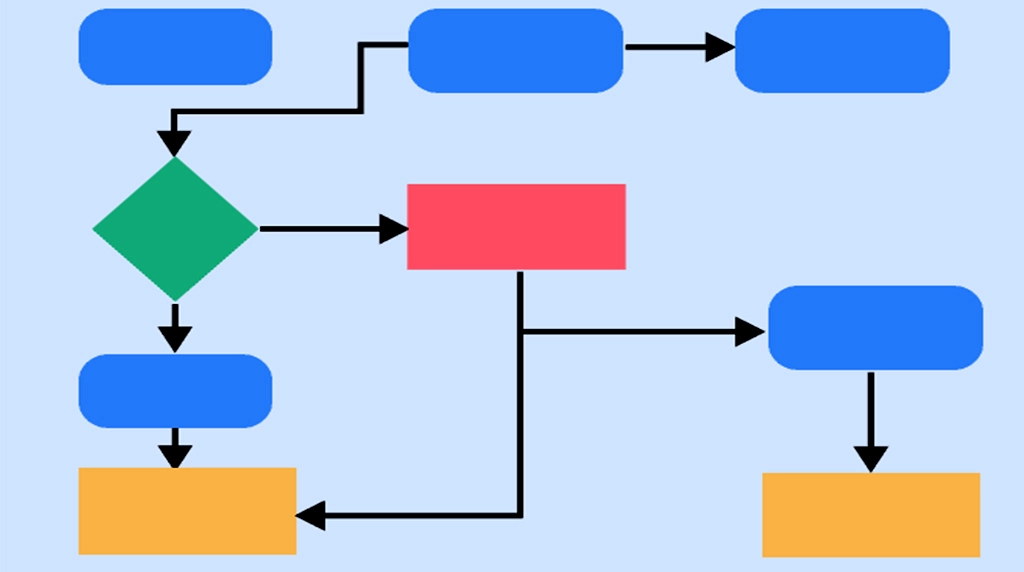
While algorithms provide the logic, flowcharts help visualize that logic in a way that is easier to follow and communicate. A flowchart is a diagram that represents the steps in a process using standard symbols like arrows, rectangles, diamonds, and ovals. These visual representations help developers, especially those new to programming, to understand the flow of a program before translating it into code.
The Practical Benefits of Flowcharts in Software Development
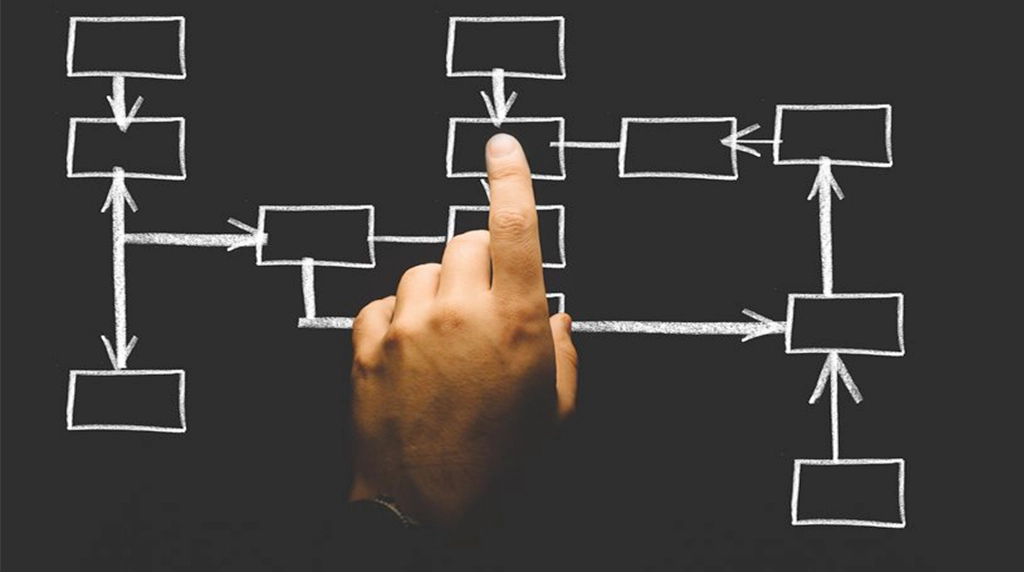
Using flowcharts makes it easier to identify logical errors, redundancies, or missing steps early in the development process. They are especially useful in team environments where different members need to understand or contribute to the design. A well-drawn flowchart serves as a universal language that bridges communication gaps between technical and non-technical stakeholders. It also helps in documentation and future maintenance, as anyone revisiting the project later can quickly understand how the program was structured.
Flowcharts in Education
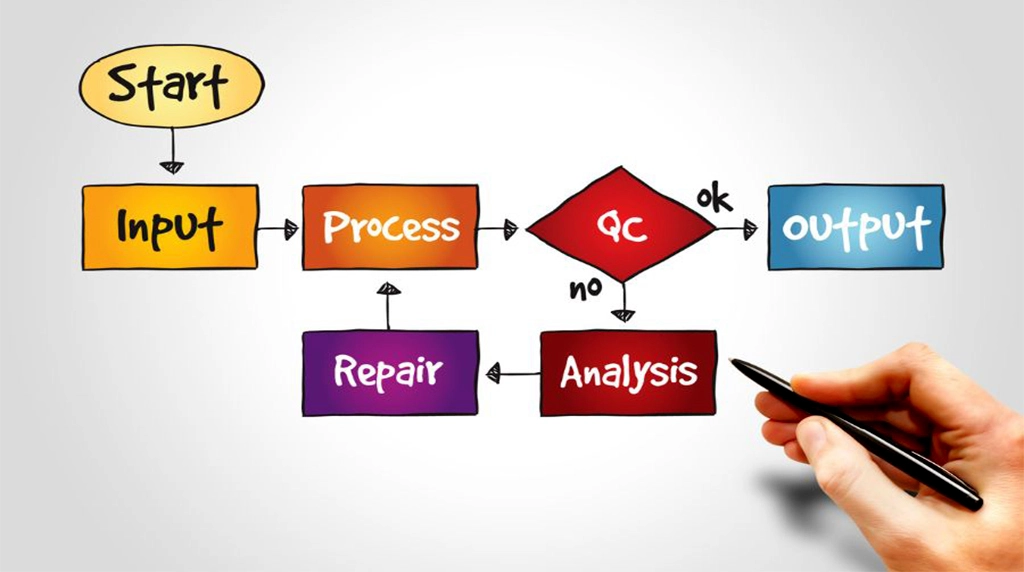
In educational settings, flowcharts are commonly used to teach problem-solving and logical thinking. This step-by-step thinking is fundamental in programming and forms the foundation for more advanced concepts like object-oriented design or algorithm optimization.
Algorithms and Flowcharts
Together, algorithms and flowcharts create a strong foundation for writing efficient, effective programs. They help developers break problems into logical sequences and visualize the flow of operations clearly. While modern programming tools and environments offer powerful features, the importance of clear thinking and planning hasn’t changed. In fact, with the increasing complexity of software systems today, these planning tools are more valuable than ever.
Structured Thinking for Complex Systems

Even experienced programmers benefit from returning to algorithms and flowcharts when tackling new or complex problems. They promote disciplined thinking, reduce guesswork, and often result in better-structured code. In professional software development, algorithms are crucial for optimizing performance, especially in applications involving large data processing, artificial intelligence, or real-time systems. Similarly, flowcharts play a key role in areas like user interface design, process automation, and system integration.
Conclusion
In conclusion, algorithms and flowcharts are not just academic concepts, but practical tools that enhance every phase of programming—from initial design to final implementation. By mastering these tools, programmers can approach problems with clarity, communicate ideas effectively, and produce code that is both functional and maintainable. No matter how advanced technology becomes, the ability to think algorithmically and visualize processes will remain at the heart of great software development.
1. What is an Algorithm in Programming?
An algorithm is a step-by-step procedure used to solve a problem or perform a task in programming. It acts like a roadmap that guides the computer on what to do and in what order. Before writing code, programmers often create algorithms to understand the logic of the program clearly.
For example, if you want to create a program that calculates student marks, the algorithm may include steps like taking input, calculating totals, finding percentages, and displaying results. Algorithms help developers write accurate and efficient programs with fewer errors. They are considered the foundation of programming because every software application works based on a set of algorithms.
2. What is a Flowchart and Why is it Important?
A flowchart is a graphical representation of an algorithm. It uses symbols, arrows, and diagrams to visually explain the flow of a program or process. Flowcharts make complex programming logic easier to understand for beginners, students, and developers.
Different shapes represent different actions, such as rectangles for processes, diamonds for decisions, and arrows for flow direction. Flowcharts are important because they simplify problem-solving and improve communication among team members. They also help programmers identify mistakes before coding begins, saving time and effort during software development.
3. How Do Algorithms and Flowcharts Help in Programming?
Algorithms and flowcharts improve programming by making the development process more organized and systematic. Algorithms provide logical steps to solve problems, while flowcharts visually explain those steps. Together, they help programmers plan the structure of the program before writing actual code.
These tools reduce coding errors, improve debugging, and make programs easier to maintain. They are especially useful for beginners because they build logical thinking and problem-solving skills. In professional software development, algorithms and flowcharts also help teams understand project workflows more efficiently.
4. What is the Difference Between an Algorithm and a Flowchart?
The main difference is that an algorithm is written in simple text steps, while a flowchart represents those steps visually using symbols and diagrams. Algorithms focus on logic and instructions, whereas flowcharts focus on visual understanding.
Algorithms are quicker to write, but flowcharts are easier to understand and explain. Both are connected because flowcharts are usually created based on algorithms.
5. Why Should Students Learn Algorithms and Flowcharts First?
Students should learn algorithms and flowcharts before coding because they strengthen logical thinking and problem-solving abilities. Understanding program flow helps students write better code and reduces confusion while learning programming languages like C, Python, Java, or C++.
They also improve analytical skills, which are highly valuable in software development, data science, artificial intelligence, and many modern technology careers.