Importance of Data Privacy in the Digital Age

Introduction
In today’s digital age, data privacy has become one of the most critical issues facing individuals, businesses, and governments. With the rapid growth of technology and the internet, vast amounts of personal data are collected, stored, and shared every second. From social media activity to online shopping habits, almost everything we do leaves a digital footprint.
Protecting Against Identity Theft and Fraud
One key reason data privacy is important is to protect individuals from identity theft and fraud. When sensitive personal information, such as social security numbers, credit card details, or passwords, falls into the wrong hands, it can be misused. Cybercriminals can steal money, open fraudulent accounts, or even commit crimes in someone else’s name. Strong data privacy measures help prevent such harmful outcomes.
Safeguarding Personal Freedom and Autonomy

In addition to protecting against fraud, data privacy is vital for maintaining personal freedom. When personal data is collected and tracked without consent, it can lead to a loss of control over one’s own life. People may feel as though they are constantly being watched, which can affect how they behave. This sense of surveillance can limit freedom of expression and discourage people from sharing their true opinions online.
Ensuring Ethical Use of Personal Data by Companies

Another major concern is how companies use personal data. Many tech companies collect user data to target advertisements or improve their services. While this can lead to more personalized experiences, it also raises serious ethical questions. Without proper safeguards, companies might misuse this data, sell it to third parties, or fail to secure it properly. Data privacy laws and regulations ensure that companies are held accountable for how they handle user information.
Building Trust through Data Privacy
Data privacy is also closely linked to trust. When users know their data is being protected, they are more likely to trust a website, app, or service. This trust is essential for businesses that rely on digital platforms to interact with. Therefore, prioritizing data privacy is not just the right thing to do — it’s good for business.
Protecting Vulnerable and Marginalized Groups

Children, for instance, may not fully understand the risks of sharing personal information online. Similarly, marginalized communities may face greater harm if their data is exposed, as it could be used to discriminate against them. Strong privacy protections help ensure that these groups are not unfairly targeted or harmed.
The Role of Laws and Regulations

Governments around the world have recognized the importance of data privacy and have introduced laws to safeguard it. For example, the European Union’s General Data Protection Regulation (GDPR) sets strict rules on how personal data can be collected and used. Similarly, other countries have developed their own data protection laws. These regulations give people more control over their personal information and hold organizations accountable.
The Individual’s Role in Safeguarding Data Privacy
Despite these legal protections, the responsibility for data privacy does not rest solely with governments and companies. Individuals must also play their part by being aware of the risks and taking steps to protect themselves. Being informed and proactive is key to safeguarding personal data in the digital world.
Balancing Innovation and Privacy in the Age of AI and Big Data
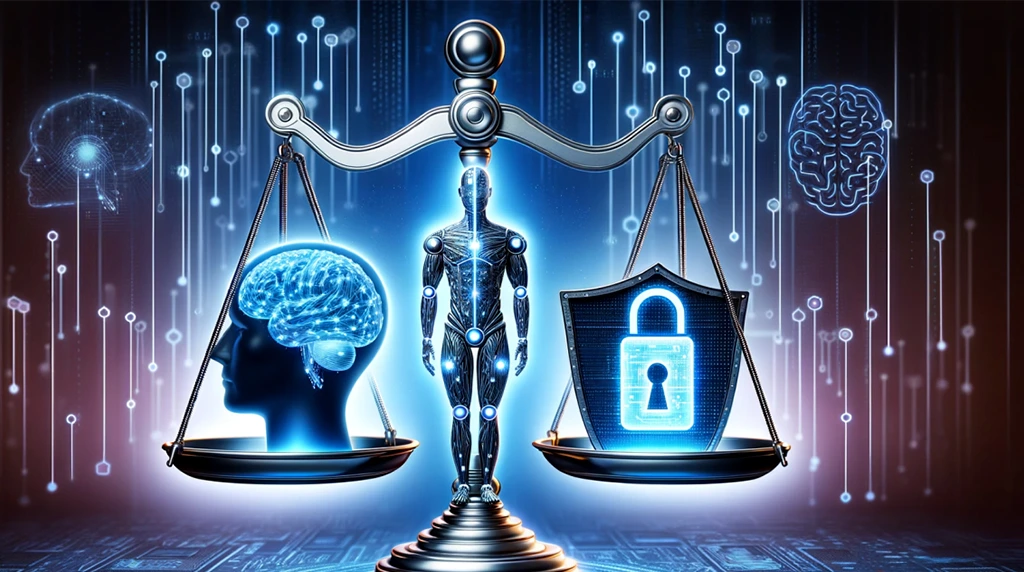
The rise of artificial intelligence and big data analytics has added new challenges to data privacy. These technologies rely on processing large amounts of data to function effectively. While they bring many benefits, such as improved healthcare and smarter cities, they also increase the risk of misuse if not properly regulated. This makes it even more important to strike a balance between innovation and privacy.
Conclusion
It protects individuals from harm, preserves freedom, builds trust, and supports ethical practices in business and technology. Everyone from governments and companies to individual users has a role to play in ensuring that data privacy remains a priority in our connected world.
1. Why is data privacy so important in the digital age?
Data privacy matters because almost everything we do online leaves a digital footprint. From banking apps to social media to smartwatches, companies collect details about your location, habits, purchases, and even health. Without strong privacy, this data can be misused for identity theft, scams, targeted manipulation, or sold without your consent. Protecting it means protecting your personal freedom, financial security, and right to control your own story.
2. What are the biggest risks if I don’t protect my personal data?
- Identity theft: Criminals use leaked details like Aadhaar, PAN, or credit card info to open accounts in your name.
- Financial fraud: Phishing and data breaches can drain bank accounts or rack up unauthorized charges.
- Profiling & discrimination: Insurers, employers, or lenders might make decisions based on data you didn’t know they had.
- Loss of control: Your photos, messages, or browsing history can be shared, leaked, or used to train AI models without permission.
- Surveillance & manipulation: Excessive tracking enables micro-targeted ads, misinformation, and even social engineering.
3. How do companies actually use my data, and is it always bad?
Companies use data for both helpful and harmful purposes.
Helpful Uses | Risky/Harmful Uses |
Personalize your feed or recommendations | Build invasive profiles to manipulate purchases or opinions |
Detect fraud on your bank account | Sell your location history to advertisers without clear consent |
Improve products through usage analytics | Share data with third parties you’ve never heard of |
Enable features like maps, food delivery, UPI | Price discrimination based on your device or habits |
Data use isn’t automatically bad. The key issue is transparency, consent, and control — you should know what’s collected and decide how it’s used.
4. What laws protect my data privacy in India right now?
India’s Digital Personal Data Protection Act, 2023 (DPDP Act) is the main law. Key points:
- Consent required: Companies must tell you why they need data and get clear permission.
- Right to access & erase: You can ask what data a company has and request deletion.
- Data breach reporting: Companies must inform you and the government if your data is leaked.
- Penalties: Up to ₹250 crore for violations.
Globally, Europe’s GDPR and California’s CCPA also set strong standards, and many Indian companies comply with those if they have international users.
5. What are 3 practical steps I can take today to improve my data privacy?
- Audit app permissions: Turn off camera, mic, and location access for apps that don’t need it. Check in phone settings.
- Use strong, unique passwords + 2FA: A password manager helps. Enable two-factor authentication on email, banking, and social apps.
- Limit what you share: Think before posting personal details like phone numbers, addresses, vacation plans, or your child’s school. Also, review privacy settings on Instagram, Facebook, and other platforms every few months.