How Site Speed Affects SEO Rankings
Introduction
In the digital era of the contemporary world, time is of the essence. As the visitor enters the site, he or she is looking forward to it loading fast. When your site is slow they are likely to exit and go to a competitor. This is not only regarding the user experience but also it directly affects your SEO positions. Google and other search engines are giving importance to websites that offer quick and smooth experience to the search engine users. Speed of a site is one of the key factors of ranking and those businesses, which neglect it, tend to lose their visibility, traffic, and income.
Google’s Core Web Vitals
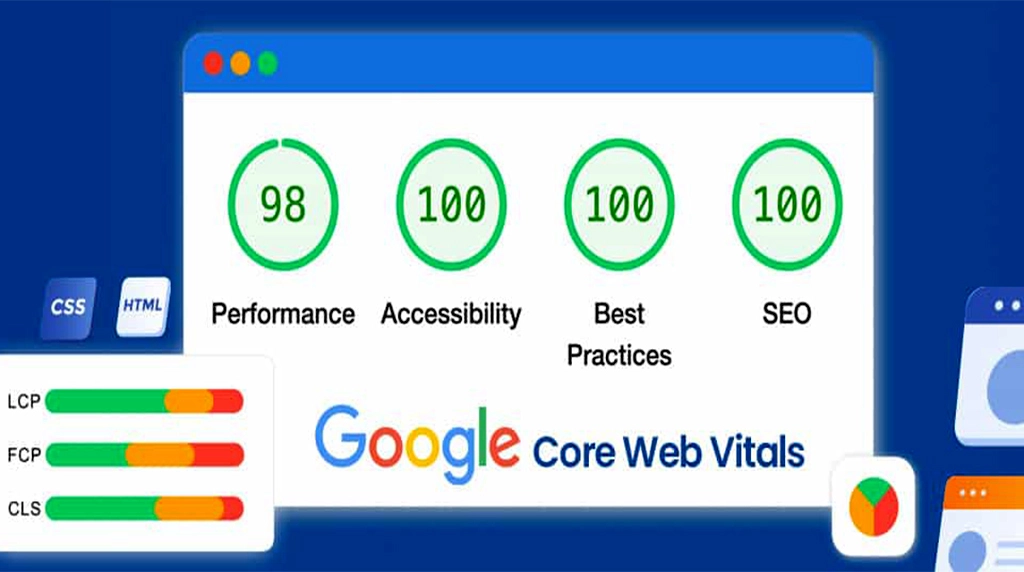
Google relies on Core Web Vitals to gauge the performance of the web sites. The metrics such as Largest Contentful Paint (LCP), First Input Delay (FID), and Cumulative Layout Shift (CLS) are the metrics that directly measure the speed and responsiveness. Websites that pass these standards are bound to be ranked higher since Google has found them easy to use and trust.
First Impressions Matter

You have a slow loading site and people will have the impression that you are not good. Studies indicate that users require a page to be loaded in 23 seconds. When it takes too long, they usually go without interacting. Because Google keeps track of the user behavior, an increase in the bouncing rates may indicate lower quality, and lower the ranking.
Bounce Rate and Dwell Time
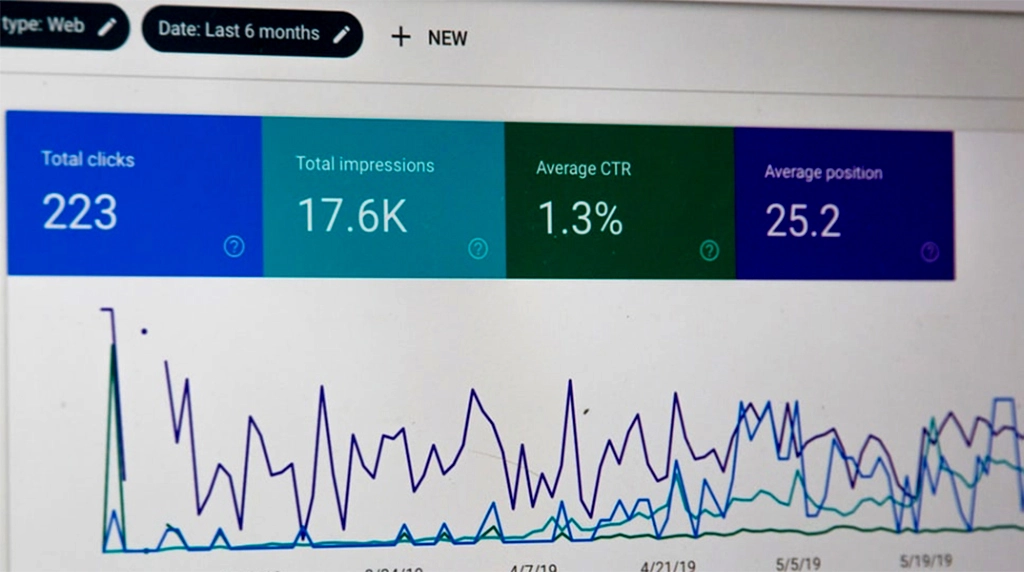
The need to have a slow-loading site means more bounce (visitors leaving immediately) and less dwell time (time spent on site). The two metrics inform the search engines that your site is valuable to the users. By having quicker websites this will help your Search Engine Optimization performance as visitors are more likely to remain, explore and interact.
Mobile SEO Optimization
Using mobile-first indexing, Google ranks websites mostly depending on their mobile version. Mobile customers have far less speed, and speed is even more important. A dragging mobile site will mean loss of both positions and premium mobile traffic.
Conversion Rates and Revenue
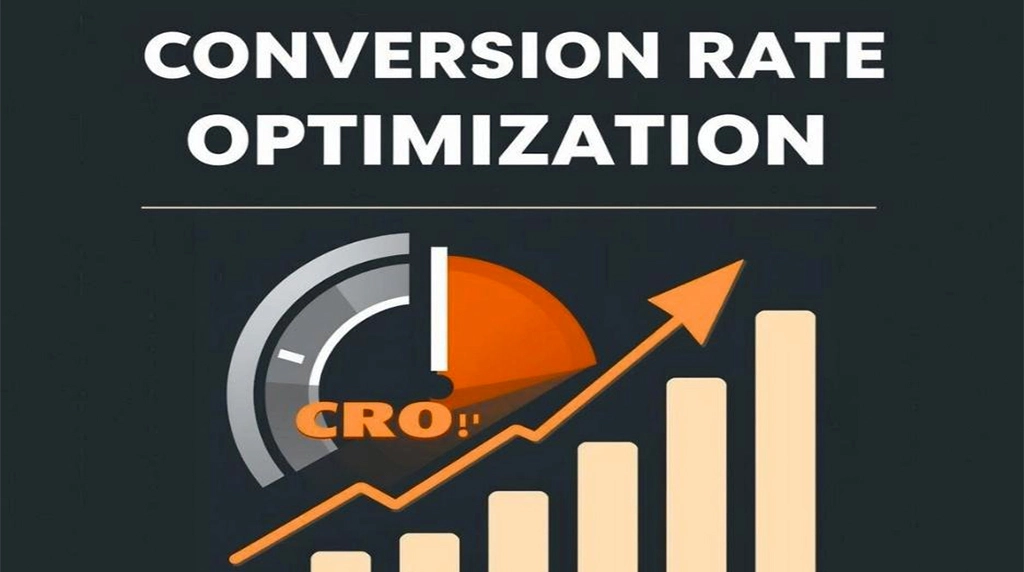
Speed of the site is not only a determinant of Search Engine Optimization, but it also influences conversions. Research indicates that a delay of as short as 1 second may decrease conversions by as much as 7 percent. Search engines have been rewarding sites that offer easy user experiences and increased engagement in most cases results in better rankings.
Crawl Efficiency

The bots (crawlers) of Google have a small crawl budget on the websites. When you have slow pages, crawlers will not be able to index many pages within the same period of time. This implies that significant information may remain undetected, and the information cannot rank. Fast site is better with regard to crawlability and indexing.
Competitive Advantage

Sites that contain equally valuable information can have different positions based on speed. When the site of your competitors loads faster than yours, then they will have more chances to be ranked higher than you, even with the content being equal. Competitive industries can be determined by speed.
Local SEO and User Experience
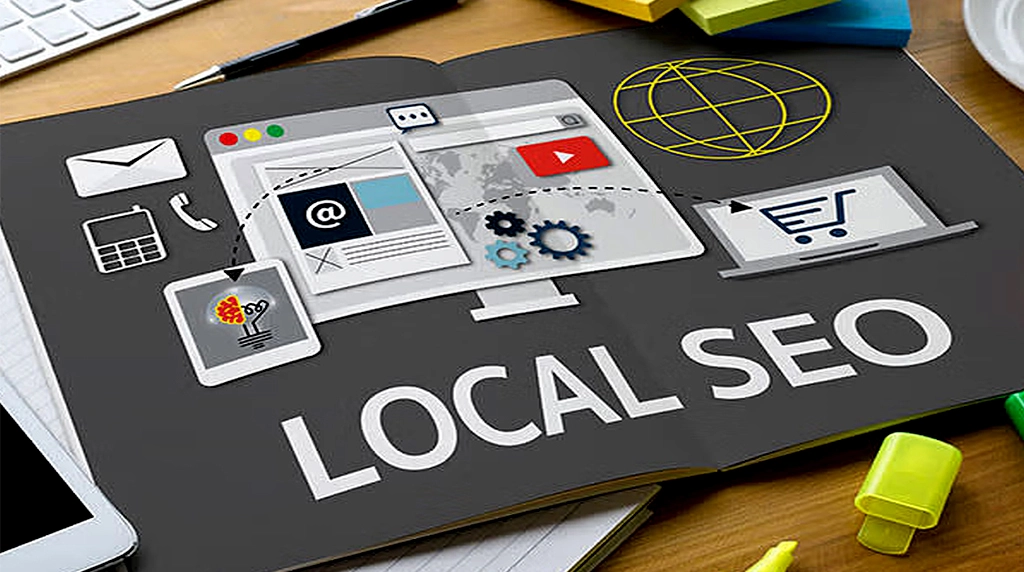
Speed is very important to local businesses. Customers on mobile who are seeking services close to the area would want immediate responses. A web site that loads slowly annoys the customer and can decrease your positioning in the local search engine such as Google Maps and near me searches.
User Retention and Brand Trust

Quick websites gain trust and credibility. Speed in loading is more likely to make visitors revisit the site since it exudes professionalism as well as reliability. Repeat visits and regular interaction are observed by search engines and this is a beneficial factor after some time in ranking.
Final Thoughts
Speed of the site is not a technical choice anymore, it is a fundamental Search Engine Optimization ranking variable. A fast site will offer user satisfaction and increased search engine visibility in addition to high bounce rates, crawl effectiveness and conversions. Having a well-performing site by investing in image optimization, caching and a capable hosting service can greatly make your rankings and general online success.
FAQs: How Site Speed Affects SEO Rankings
1. Why does website speed matter for SEO?
Website speed is one of the most important ranking factors in search engines like Google. A fast-loading website improves user experience, keeps visitors engaged, and reduces bounce rates. When users open a slow website, they often leave before the page fully loads. Search engines notice this behavior and may lower the site’s ranking. Faster websites also help search engine bots crawl pages more efficiently, which improves indexing. In simple words, if your website loads quickly, users stay longer and search engines trust your site more.
2. How does slow site speed affect visitors?
A slow website creates frustration for users. Studies show that most visitors expect a page to load within 2–3 seconds. If the site takes longer, users may close the page and visit a competitor’s website instead. Slow speed can reduce traffic, decrease conversions, and lower sales or inquiries. For educational institutes, businesses, and blogs, this means losing potential students or customers. A fast website creates a professional image and increases user satisfaction, which directly helps SEO performance.
3. What are Core Web Vitals and why are they important?
Core Web Vitals are performance metrics introduced by Google to measure user experience on websites. These include:
- Largest Contentful Paint (LCP): How fast the main content loads.
- First Input Delay (FID): How quickly the site responds to user actions.
- Cumulative Layout Shift (CLS): How stable the page layout remains while loading.
Good Core Web Vitals scores improve the chances of ranking higher in search results. Websites with poor scores may struggle to compete even if they have good content. Optimizing these metrics improves both SEO and user engagement.
4. How can I improve my website speed for better SEO?
There are several effective ways to improve site speed:
- Compress large images before uploading.
- Use fast and reliable web hosting.
- Minimize unnecessary plugins and scripts.
- Enable browser caching.
- Use a Content Delivery Network (CDN).
- Optimize mobile responsiveness.
- Reduce heavy animations and popups.
Tools like Google PageSpeed Insights can help analyze website performance and suggest improvements. Regular speed optimization keeps the website competitive in search rankings.
5. Does mobile speed affect SEO rankings?
Yes, mobile speed strongly affects SEO rankings because most users browse websites on smartphones. Google uses mobile-first indexing, meaning it mainly evaluates the mobile version of a website for ranking. If a website loads slowly on mobile devices, users leave quickly, which negatively impacts SEO. Fast mobile websites improve user experience, increase engagement, and help businesses attract more organic traffic. Therefore, optimizing mobile speed is essential for better rankings and higher visibility online.