Artificial intelligence in daily life
Introduction
Artificial intelligence (AI) has become deeply woven into the fabric of daily life, often in ways that people may not immediately notice. From smartphones and social media to transportation and healthcare, AI technologies are shaping how individuals work, communicate, and interact with the world. Rather than being limited to science fiction or advanced research labs, AI today plays a practical and growing role in improving convenience, efficiency, and decision-making across a range of everyday activities. As this technology continues to evolve, it brings both remarkable opportunities and important questions about its impact on society.
AI-Powered Features in Smartphones and Personal Devices
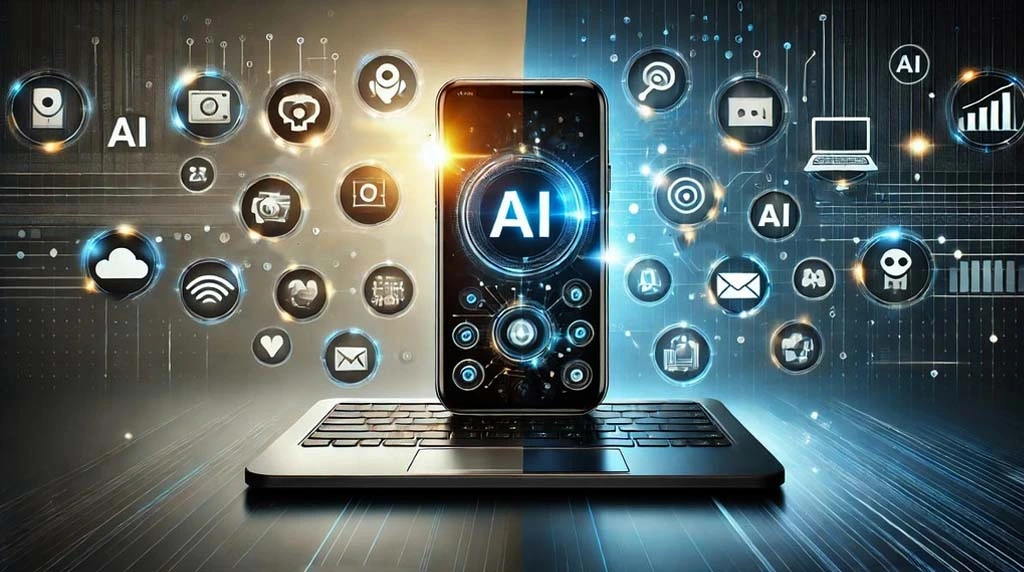
These tools use natural language processing to interpret user commands, answer questions, set reminders, and control smart home devices. Predictive text and autocorrect functions, common in messaging apps, are also powered by AI models trained on vast amounts of linguistic data. Furthermore, AI enhances camera technology in phones by automatically adjusting settings such as exposure and focus, enabling users to take better photos with minimal effort.
Artificial Intelligence in Social Media Personalization and Safety
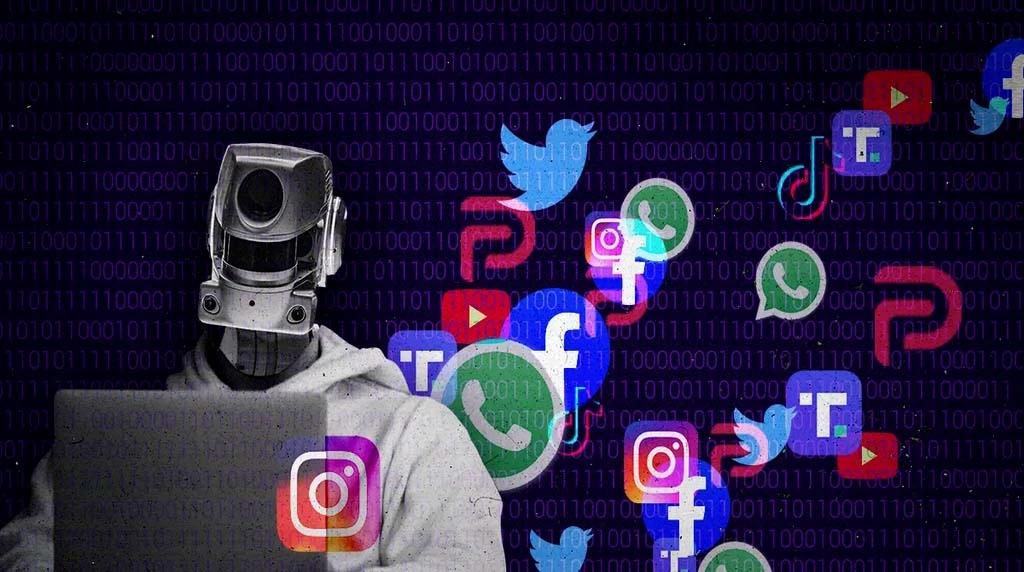
Social media platforms make extensive use of AI to personalize content and improve engagement. When users scroll through apps like Facebook, Instagram, TikTok, or X (formerly Twitter), AI algorithms are at work analysing preferences and behaviours to curate feeds tailored to individual tastes. These algorithms determine which posts, videos, or advertisements are shown, aiming to keep users interested and active on the platform. AI also powers features like facial recognition for tagging friends in photos and automatically filtering out harmful or inappropriate content. While these capabilities make social media more enjoyable and safer, they also raise concerns about privacy and the potential for algorithm-driven echo chambers that reinforce existing beliefs.
Artificial Intelligence Driving Advances in Transportation
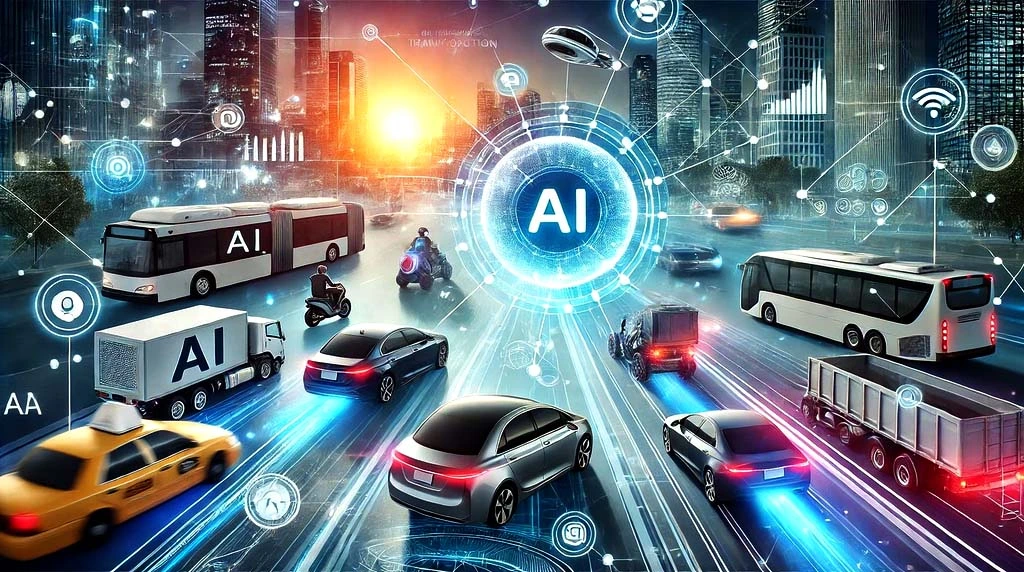
In transportation, artificial intelligence contributes to greater safety and convenience. Many modern cars use AI in the form of advanced driver-assistance systems (ADAS), which support features such as lane-keeping assistance, adaptive cruise control, and automatic emergency braking. These systems rely on sensors, cameras, and machine learning models to monitor surroundings and assist drivers in avoiding collisions. AI is also central to the development of self-driving vehicles, which aim to reduce accidents caused by human error and improve traffic efficiency. Although fully autonomous cars are not yet widespread, pilot programs and trials continue to advance the technology, bringing it closer to becoming a regular part of urban life.
The Impact of Artificial Intelligence on Healthcare and Well-Being

AI plays an important role in healthcare as well, helping to improve diagnosis, treatment, and patient care. AI-powered tools assist doctors in analysing medical images such as X-rays, MRIs, and CT scans, often identifying patterns that may be difficult for the human eye to detect. Virtual health assistants and chatbots provide patients with information about symptoms, medications, and appointment scheduling, making healthcare more accessible. Wearable devices that track physical activity, heart rate, and sleep patterns also rely on AI algorithms to interpret data and provide personalized health recommendations. These technologies empower individuals to take a more active role in managing their well-being, though they also highlight the importance of protecting sensitive health data.
Artificial Intelligence Transforming Retail and E-Commerce
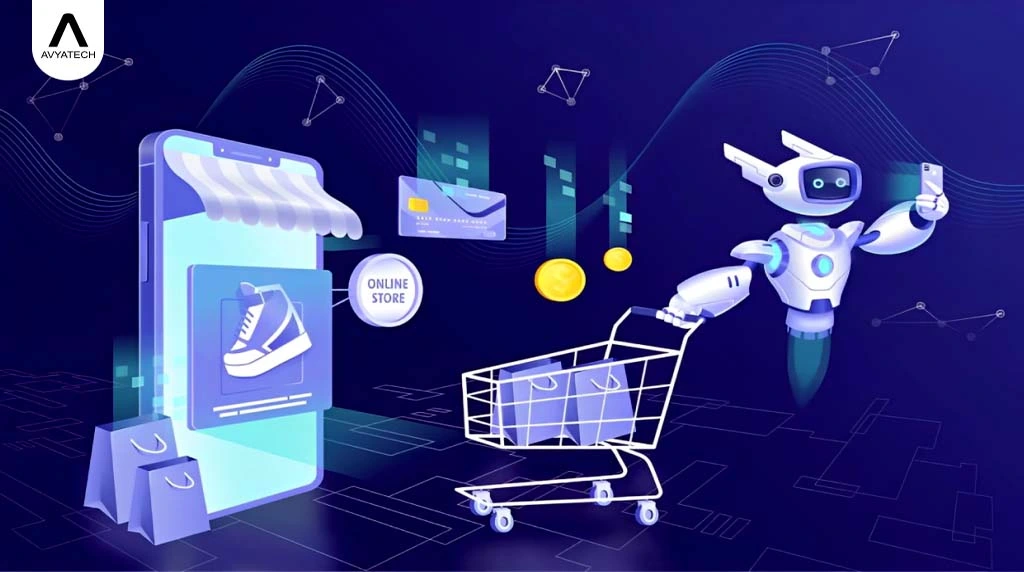
Retail and online shopping experiences have been transformed by AI as well. E-commerce platforms use AI to recommend products based on browsing history, past purchases, and customer preferences. This personalization helps consumers discover new products that align with their tastes, while also boosting sales for retailers. In physical stores, AI-driven systems manage inventory, optimize pricing, and even enable cashier less checkout, where shoppers can simply take items and leave, with their accounts charged automatically. Such innovations enhance convenience but also change the nature of employment in the retail sector, prompting discussion about how workforces will adapt.
Artificial Intelligence in Smart Homes and Everyday Automation

Artificial intelligence is also becoming more common in the home through smart devices and automation systems. AI powers smart thermostats that learn household routines to adjust temperatures efficiently, saving energy and reducing costs. Robotic vacuum cleaners navigate rooms and clean floors with minimal human input, while AI-enabled security systems monitor for unusual activity and send alerts to homeowners. These technologies offer convenience and peace of mind, making home environments safer and more efficient.
Ethical and Societal Challenges of Artificial Intelligence

Despite these many benefits, the growing presence of AI in daily life raises ethical and societal challenges. Issues such as data privacy, algorithmic bias, job displacement, and the concentration of power among large tech companies are important considerations. For example, as AI systems collect and analyse personal data to improve services, there is a risk that this data could be misused or fall into the wrong hands. Similarly, if AI models are trained on biased data, they may produce unfair or discriminatory outcomes. Society must address these concerns through thoughtful regulation, transparency, and ongoing dialogue to ensure that AI technologies serve the public good.
Conclusion
In conclusion, artificial intelligence has become an integral part of daily life, offering valuable tools that enhance convenience, safety, and personalization in areas such as communication, transportation, healthcare, retail, and the home. As AI continues to advance, it holds great promise for further improving quality of life. At the same time, it is essential to address the challenges it brings in order to create a future where AI supports fairness, privacy, and the well-being of all.
1. Where am I using AI without realizing it?
You likely interact with AI dozens of times a day. Common examples include:
- Hyper-Personalization: Streaming services (Spotify/Netflix) and e-commerce sites (Amazon) use AI to predict what you’ll want to see or buy next.
- Smart Infrastructure: Navigation apps like Google Maps use AI to predict traffic and suggest routes in real-time.
- Security: Banks use AI to monitor your transactions 24/7, instantly flagging a purchase if it deviates from your normal spending patterns.
- Daily Tech: FaceID, email spam filters, and even the “portrait mode” on your phone camera are all powered by AI.
2. Is AI always "listening" to me through my smart devices?
Smart speakers (Alexa, Siri) use a process called passive listening to detect their “wake word.” While the microphone is active, the device is designed to only record and process your voice after it hears the trigger. In 2026, many devices now use “On-Device AI,” meaning your voice data is processed locally on your phone or speaker rather than being sent to a cloud server, which significantly enhances privacy.
Can I trust the information an AI gives me?
Not blindly. Even the most advanced models in 2026 can experience “Hallucinations”—where the AI provides a factually incorrect answer with complete confidence.
- Why it happens: AI doesn’t “know” facts; it predicts the most probable next word based on its training data.
- The Rule of Thumb: Always verify AI-generated information for high-stakes tasks, like medical advice, legal research, or financial planning.
4. Is AI going to replace my job?
The consensus in 2026 is that AI is more of a collaborator than a replacement. It is excellent at “workslop”—repetitive, data-heavy tasks like summarizing long emails or organizing spreadsheets.
- The Shift: Jobs are evolving to require AI Literacy. The most successful professionals are those who learn to use AI to handle the “boring” parts of their work so they can focus on high-level strategy, creativity, and human empathy.
Do I need to be a "tech person" to use AI effectively?
Absolutely not. In fact, 2026 is the year of Natural Language Interaction. You don’t need to know how to code; you just need to know how to talk. AI is now built with “agentic” capabilities, meaning you can give it a broad goal (e.g., “Plan a 3-day budget trip to Tokyo for a family of four and book the highest-rated refundable hotels”) and it will execute the steps for you.